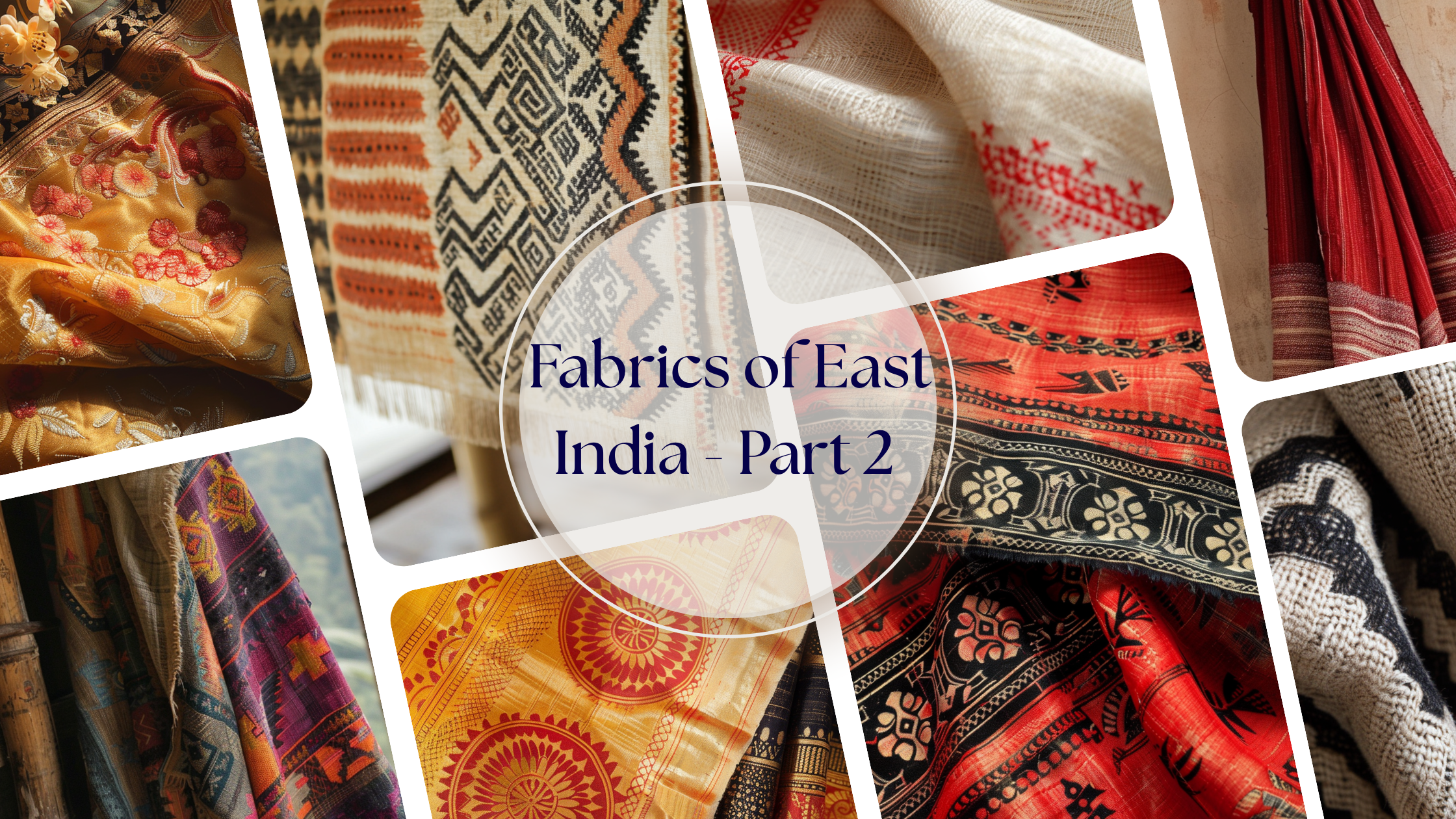
From the golden sheen of Assam’s Muga silk to the story-laden weaves of Bengal’s Jamdani and Kantha, the Eastern States of India are a treasure trove for textile lovers. These fabrics are more than just materials, they are living legacies, woven with tales of bravery, mythology, and centuries-old craftsmanship. In a world increasingly drawn to fast fashion, Eastern India’s handlooms stand as a testament to slow, soulful artistry.
The Eastern Fabric Belt: A Cultural Canvas
Eastern India—comprising states like West Bengal, & Odisha, has long been a hub of textile innovation. Each region boasts its own signature weaves, dyeing techniques, and motifs, often rooted in local folklore and rituals. These fabrics are not just worn—they are celebrated, passed down through generations, and revered as cultural heirlooms.
Meanwhile, the Northeastern states—including Sikkim, Assam, Arunachal Pradesh, Nagaland, and Manipur—offer a rich tapestry of tribal textiles that reflect the diversity and depth of indigenous communities. These fabrics are deeply symbolic, often used in ceremonies, festivals, and rites of passage.
Craftsmanship Rooted in Tradition
What sets Eastern and Northeastern Indian fabrics apart is their handloom heritage. These textiles are often woven on traditional looms, using techniques passed down through generations. The process is slow, deliberate, and deeply respectful of nature and culture.
In many villages, weaving is a communal activity—women gather to spin yarn, dye threads, and weave stories into cloth. The rhythm of the loom is like a heartbeat, connecting the artisan to their ancestors and the land.
Natural Dyes and Eco-Friendly Practices
Many Eastern and Northeastern weaves use natural dyes—from indigo and turmeric to madder and lac. These dyes not only reduce environmental impact but also lend a unique, earthy aroma and tone to the fabric. For example, Eri silk from Assam is often dyed using plant-based colors, making it a favorite among eco-conscious designers.
The use of Ahimsa silk (non-violent silk) like Eri also reflects a growing awareness of ethical fashion. These fabrics are biodegradable, breathable, and sustainable—perfect for a world seeking harmony between tradition and innovation.
Exploring the Fabrics of East & Northeast India
Lepcha Weaves – Sikkim
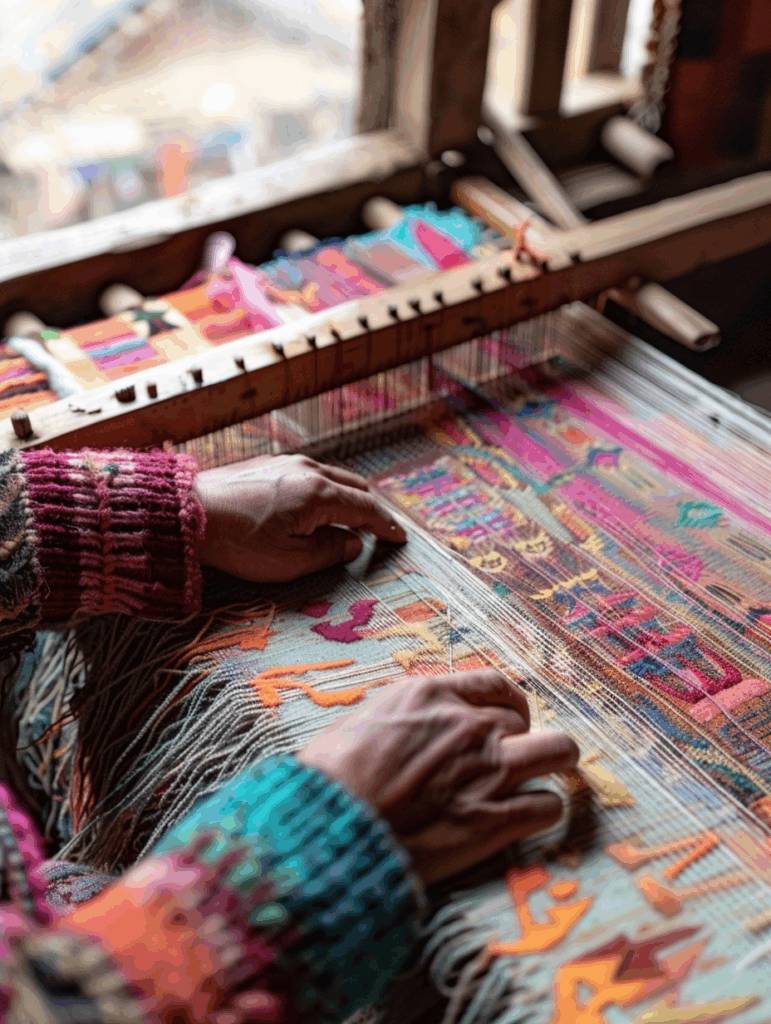
Crafted by the indigenous Lepcha community, these textiles feature bold geometric patterns in red, green, and white. Woven on backstrap looms, Lepcha fabrics are worn during festivals and rituals, symbolizing harmony and spiritual connection. They are a visual representation of the Lepcha people’s reverence for nature and their ancestral traditions.
Bhutia Carpets – Sikkim
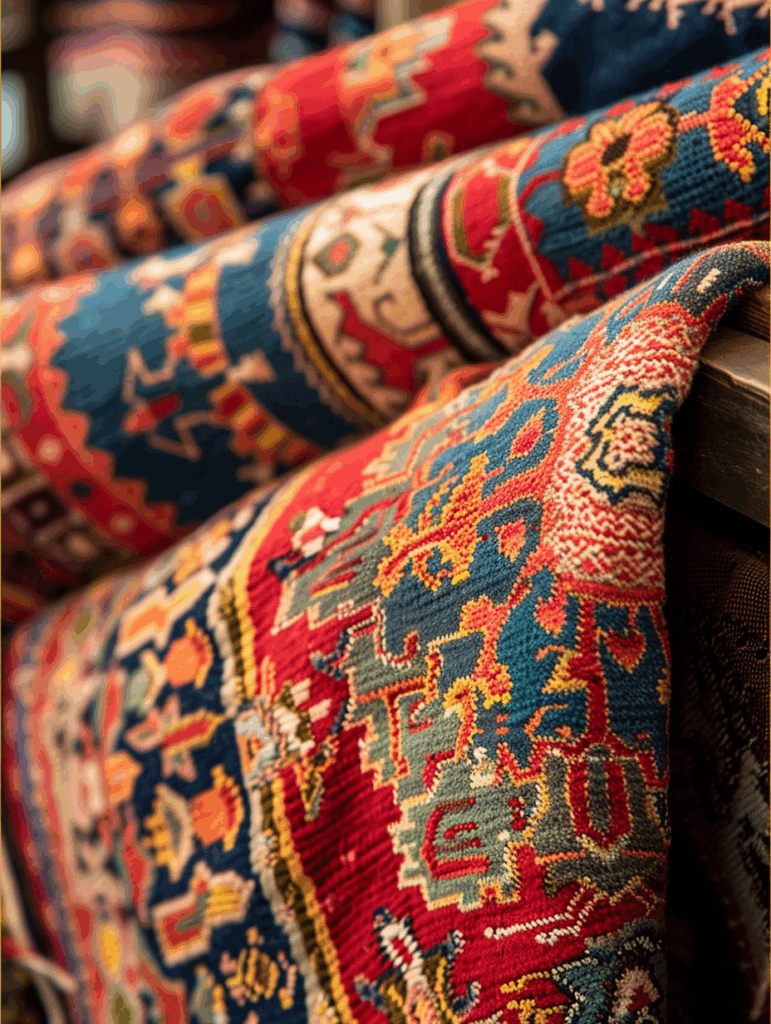
Hand-knotted woolen carpets known as Thokro are crafted by the Bhutia community. Adorned with Buddhist motifs and Tibetan-inspired designs, these carpets are spiritual and aesthetic treasures. Often found in monasteries, they serve both decorative and meditative purposes.
Apatani Textiles – Arunachal Pradesh
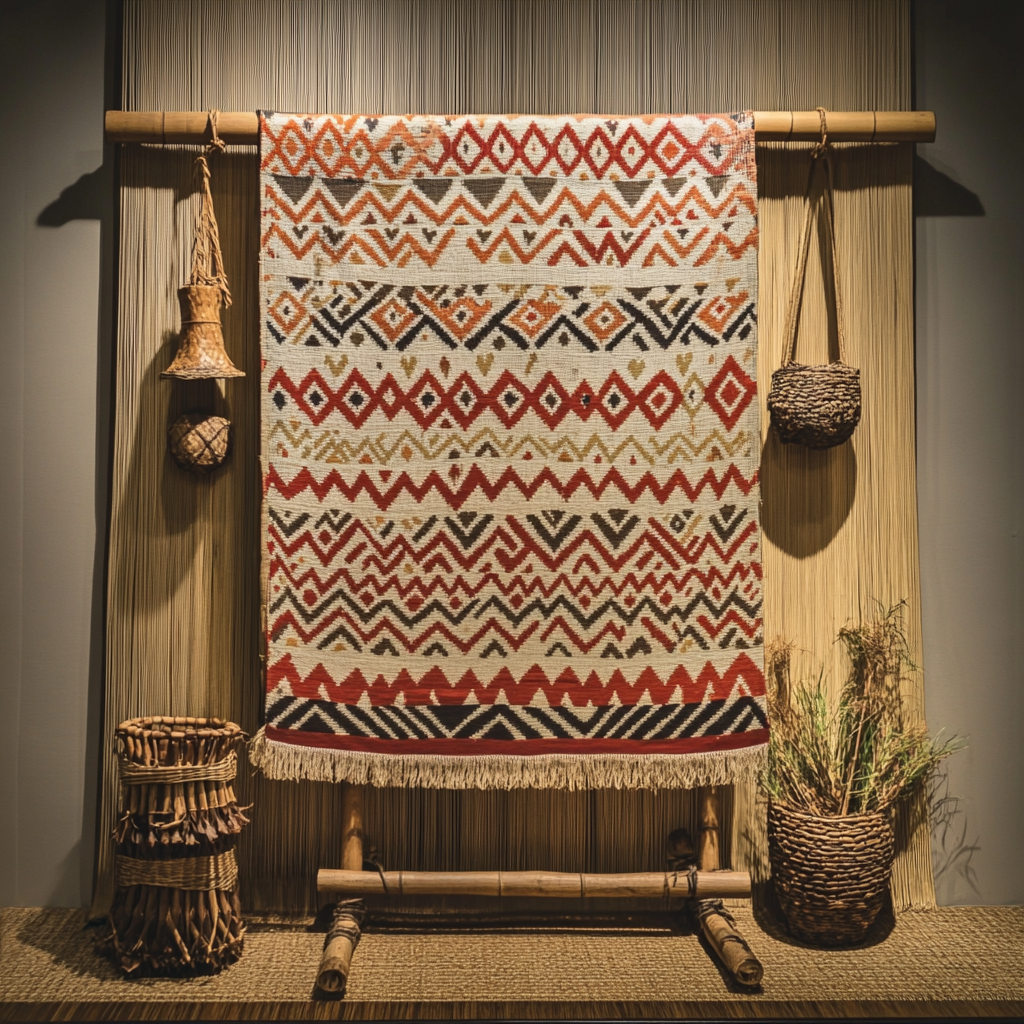
Minimalist and earthy, Apatani fabrics are woven using natural fibers and dyes. Their geometric patterns reflect the tribe’s deep connection to nature and agricultural cycles. These textiles are traditionally worn during the Dree Festival, celebrating fertility and harvest.
Tangsa Fabrics – Arunachal Pradesh
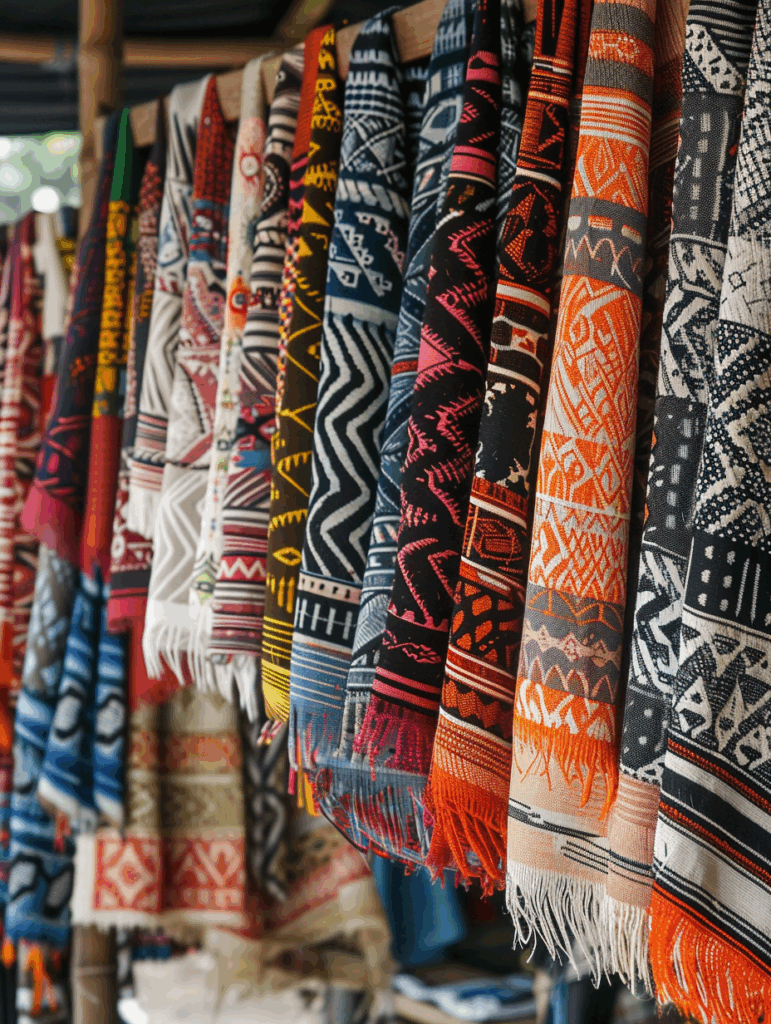
The Tangsa tribe creates textiles rich in symbolism, often featuring motifs of animals and spirits. These fabrics are worn during dances and rituals, preserving tribal mythology and expressing identity through color and pattern.
Henyu Weaves – Nagaland
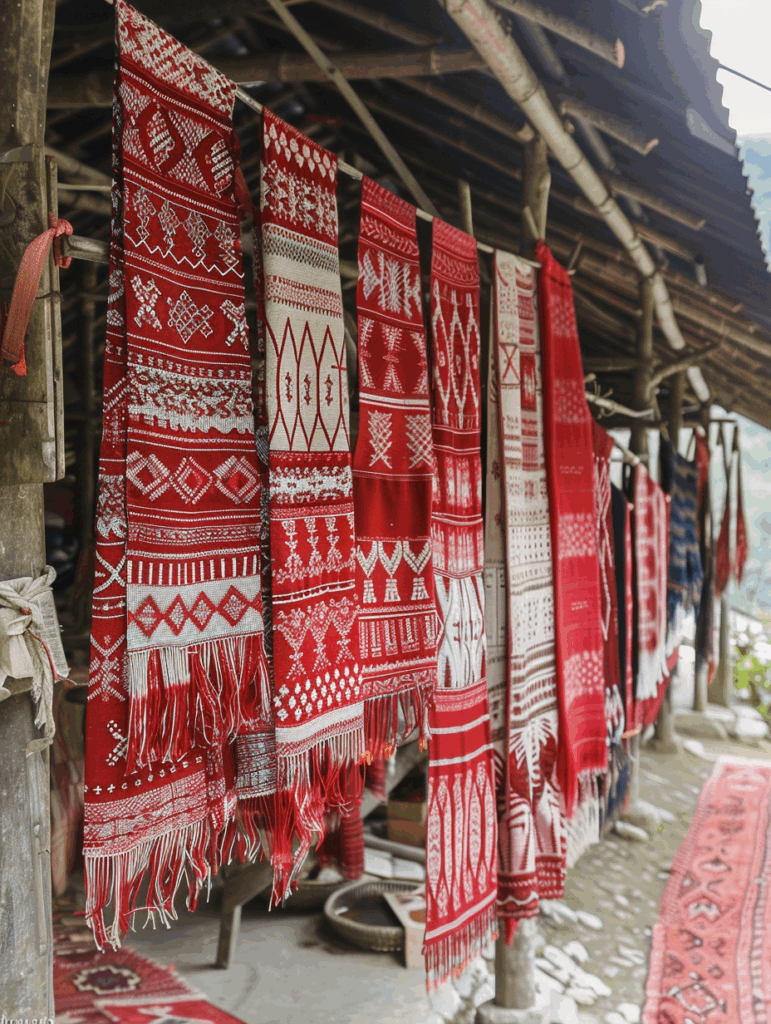
Bold stripes and checks characterize Henyu textiles, which denote clan identity and social status. These fabrics are worn with pride and passed down as symbols of heritage, often used in ceremonial attire and community gatherings.
Chakhesang Shawls – Nagaland
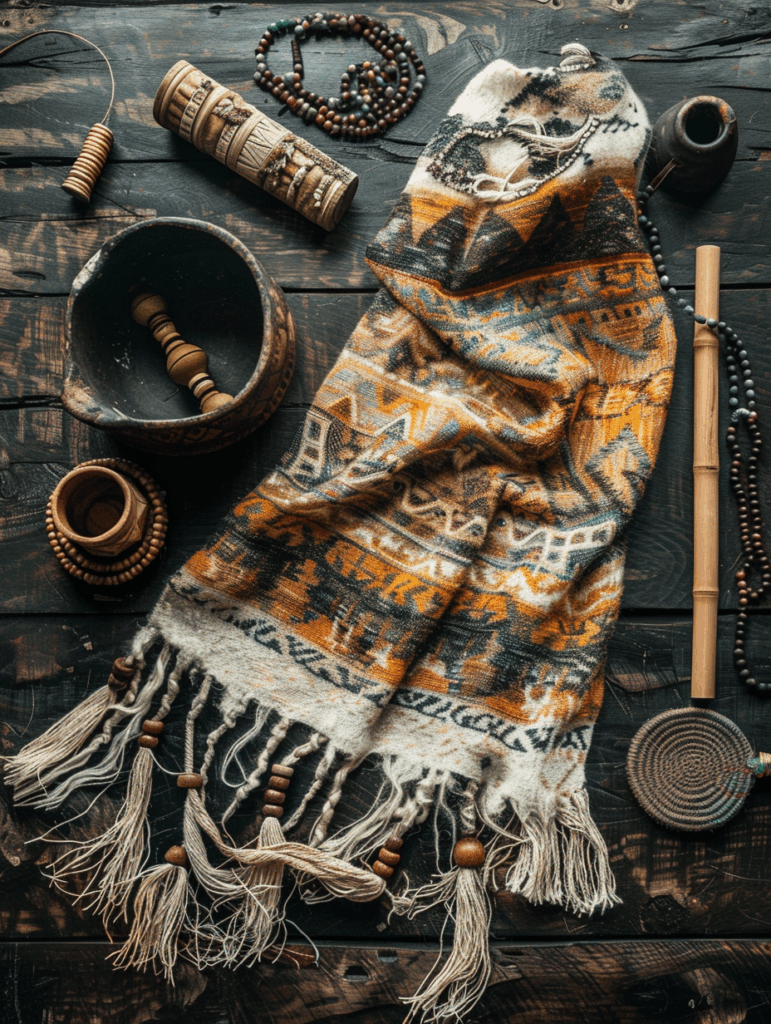
Among the Chakhesang tribe, shawls like the Rira are awarded to warriors and achievers. These textiles are woven with honor and tradition, often featuring symbolic embroidery that reflects personal and communal milestones.
Moirangphee – Manipur
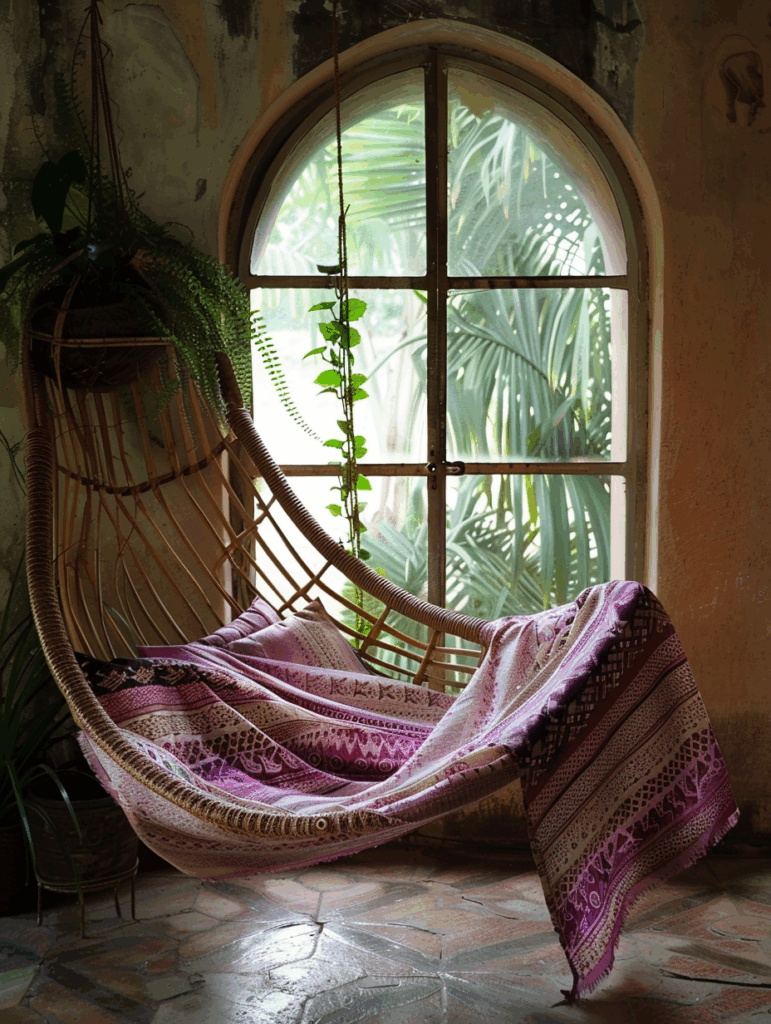
Originating from the town of Moirang, this textile features temple-inspired motifs and vibrant colors. Worn during ceremonies, Moirangphee is a spiritual and cultural emblem, often associated with Manipuri legends and rituals.
Innaphi – Manipur
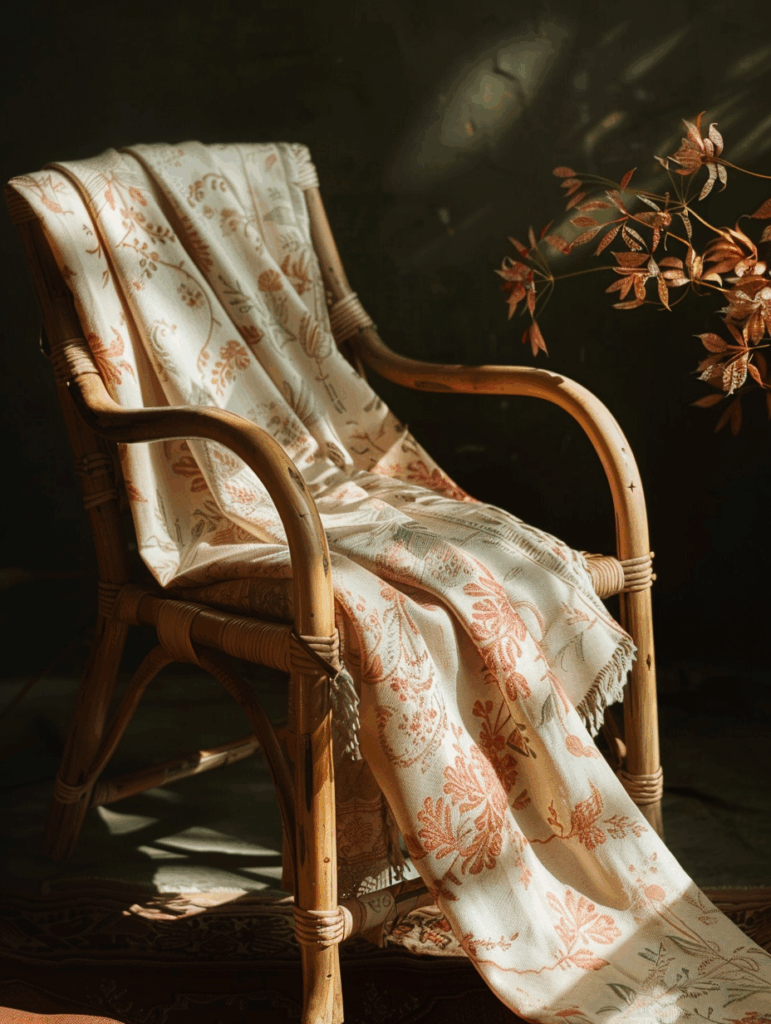
A soft shawl worn by Manipuri women, Innaphi is paired with the Phanek and features delicate patterns. It represents grace, femininity, and tradition, and is commonly worn during festivals like Lai Haraoba.
Pat Silk – Assam
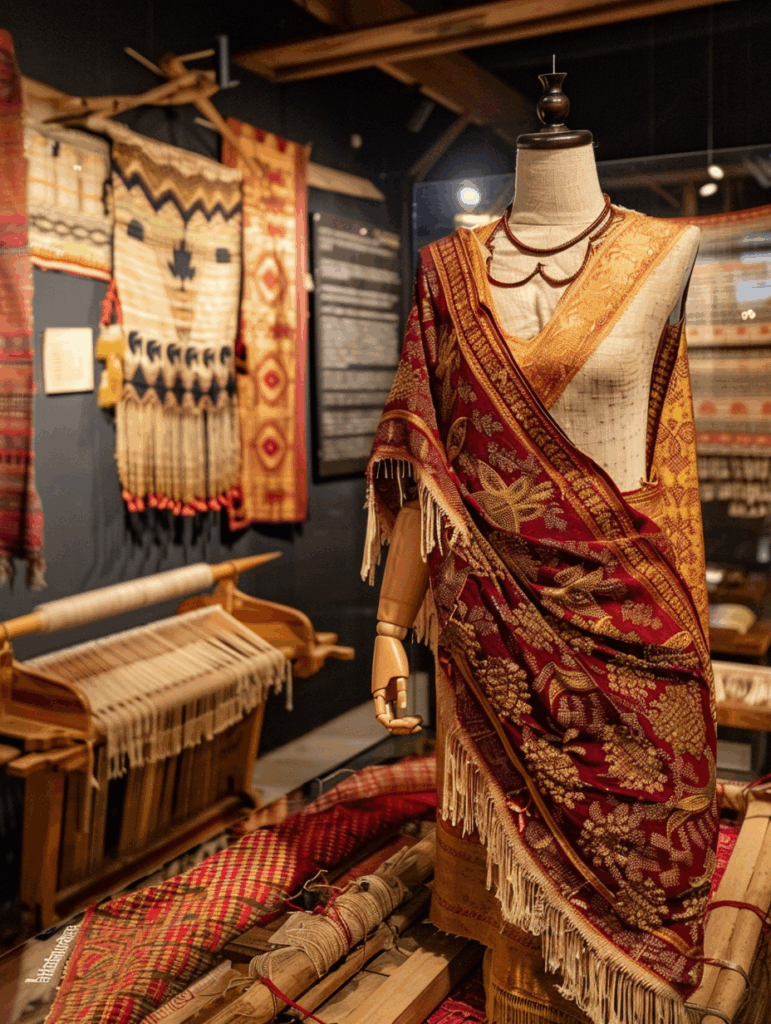
Known for its glossy texture and natural white sheen, Pat silk is used in traditional Mekhela Chador. It’s a staple in Assamese weddings and festivals, symbolizing purity and elegance. The silk is prized for its durability and luxurious feel.
Eri Silk – Assam
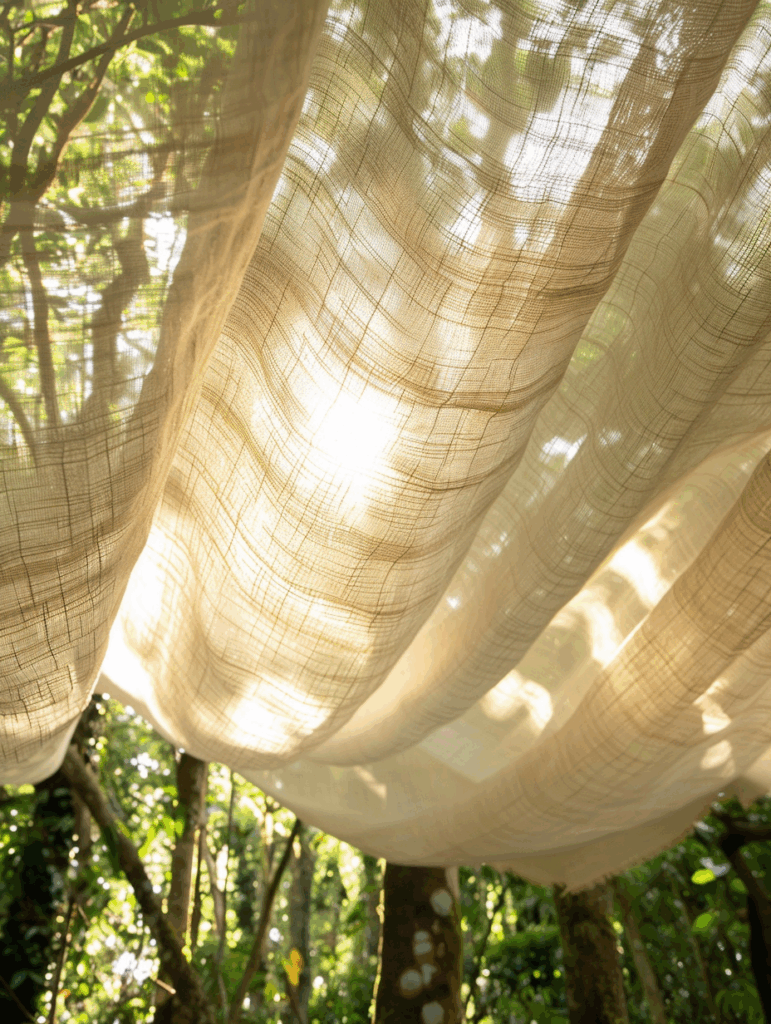
Also called Ahimsa silk, Eri is harvested without harming the silkworm. It’s soft, breathable, and ideal for sustainable fashion. Often dyed with natural colors, Eri silk is a favorite among eco-conscious designers and spiritual communities.
Jamdani – West Bengal
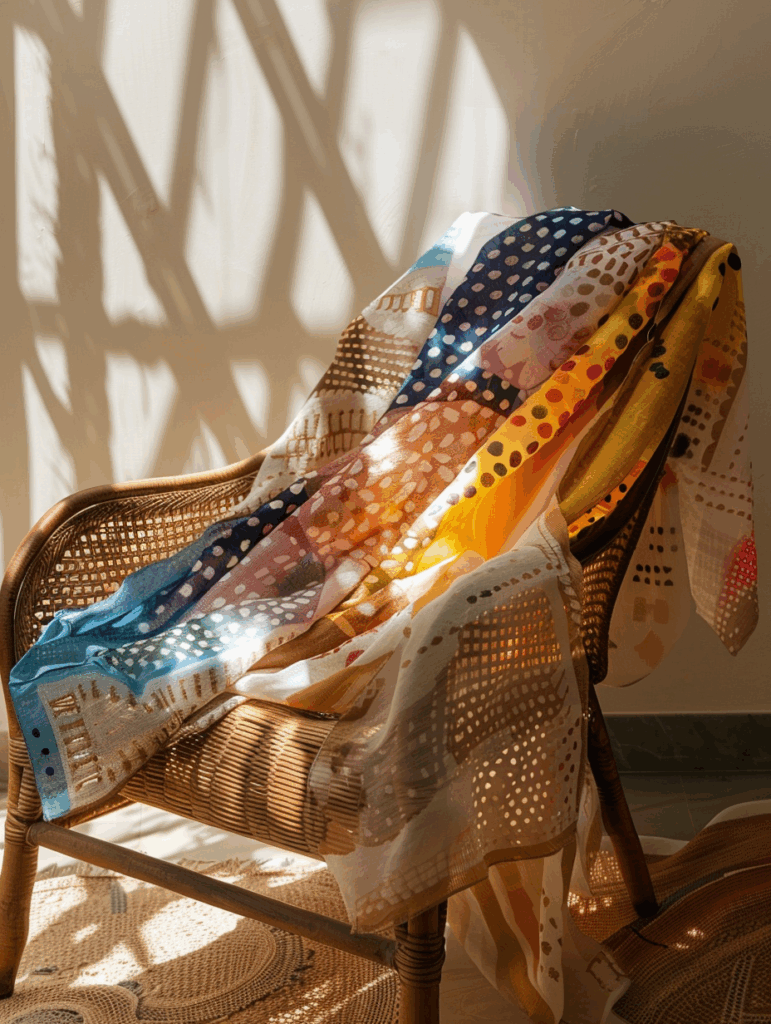
A handwoven muslin featuring floating floral and geometric motifs, Jamdani is crafted using the discontinuous weft technique. It’s light, airy, and poetic—often worn by brides and artists. Jamdani weaving is recognized by UNESCO as an Intangible Cultural Heritage.
Kantha – West Bengal
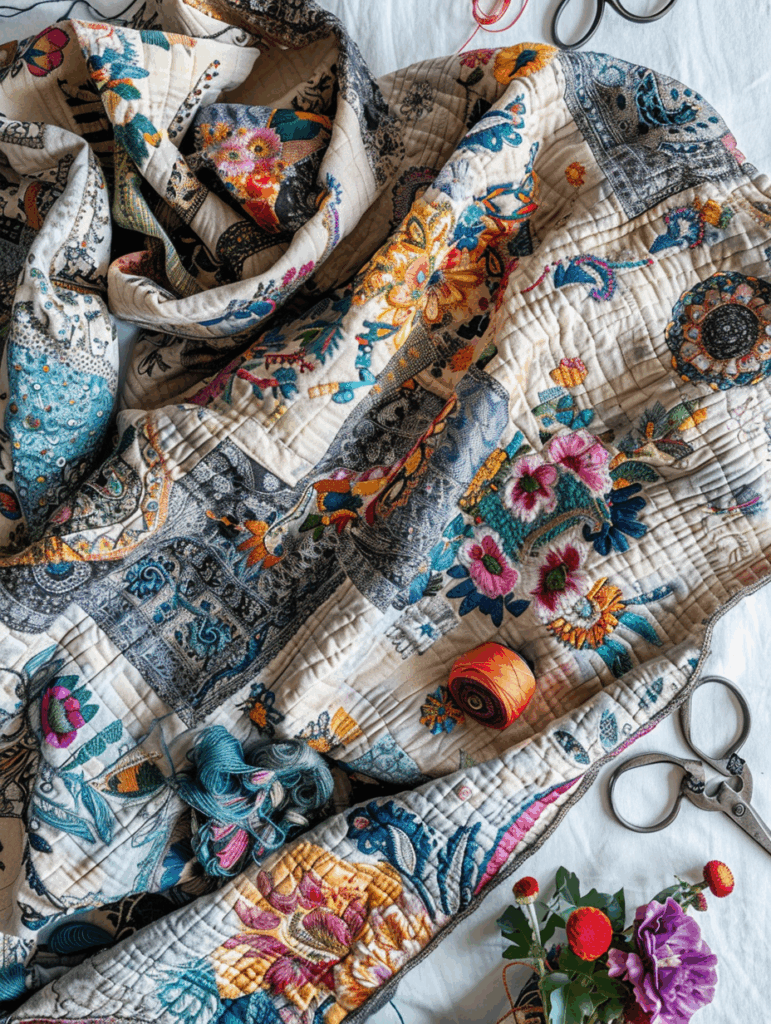
Kantha is an embroidery technique that repurposes old fabrics into quilts, dupattas, and sarees. Each stitch tells a story—of daily life, dreams, and folklore. It’s sustainable, soulful, and deeply personal, often passed down through generations.
Bomkai – Odisha
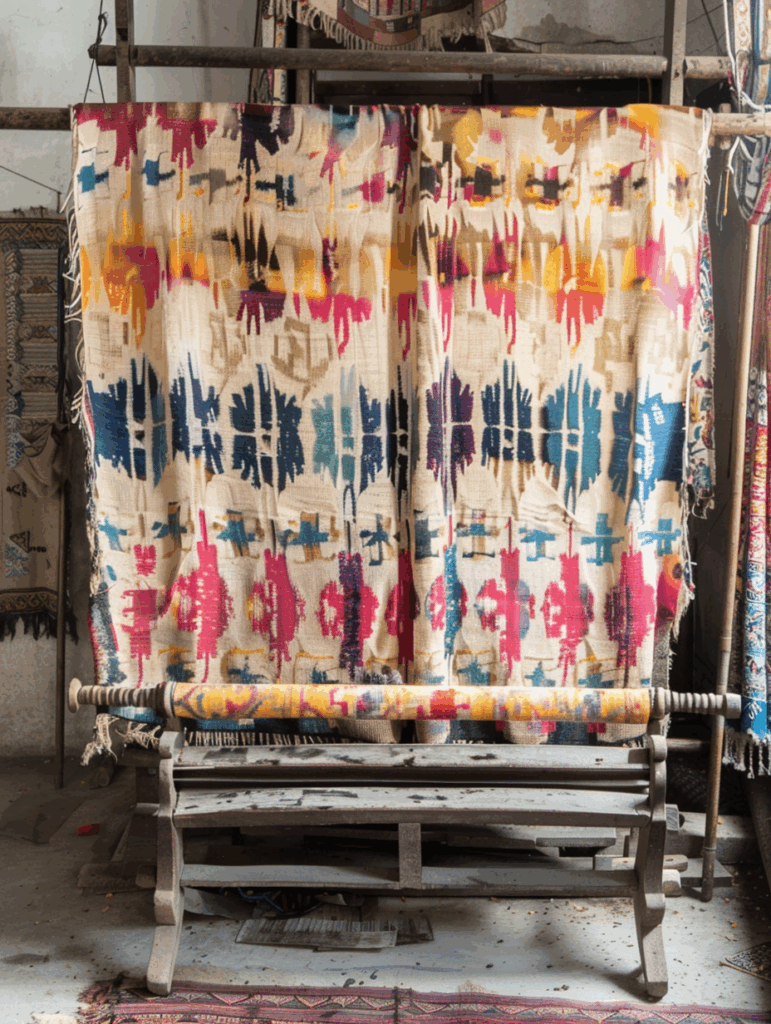
Also known as Sonepuri, Bomkai combines weaving and embroidery. Featuring tribal motifs and contrasting borders, it’s worn during festivals and weddings. Bomkai is a celebration of Odisha’s cultural richness and craftsmanship.
Sambalpuri Silk – Odisha
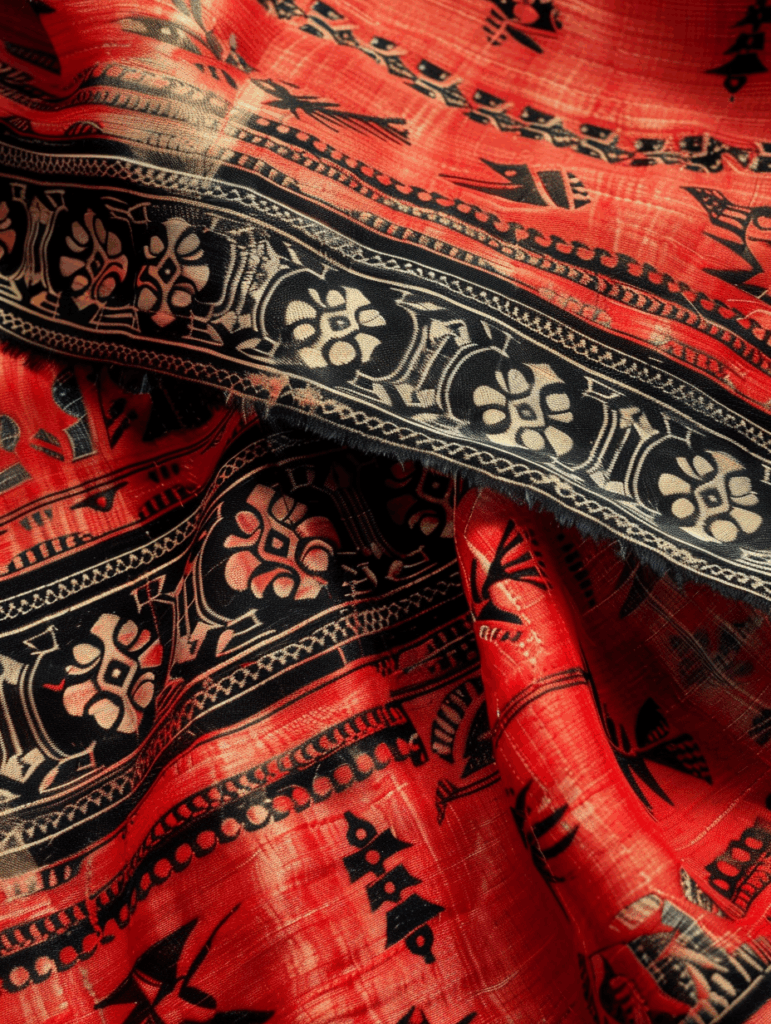
Renowned for its Ikat technique, Sambalpuri silk is tie-dyed before weaving, creating blurred, hypnotic patterns. These sarees are cultural artifacts, blending precision with artistry. They are often worn during traditional Odia celebrations and rituals.
Why These Fabrics Matter Today?
In an era of mass production and synthetic materials, these fabrics offer a return to roots. They support local artisans, preserve indigenous knowledge, and promote sustainable practices. Each piece is a slow fashion statement, crafted with care and consciousness.
By choosing these textiles, we don’t just wear beauty—we wear heritage, ethics, and emotion.
Draping Culture with Consciousness
Whether you’re a designer seeking inspiration, a collector of heritage, or a fashion lover with a soul, these fabrics invite you to explore India’s unseen elegance. Each thread is a tribute to the land, the people, and the timeless art of weaving stories.