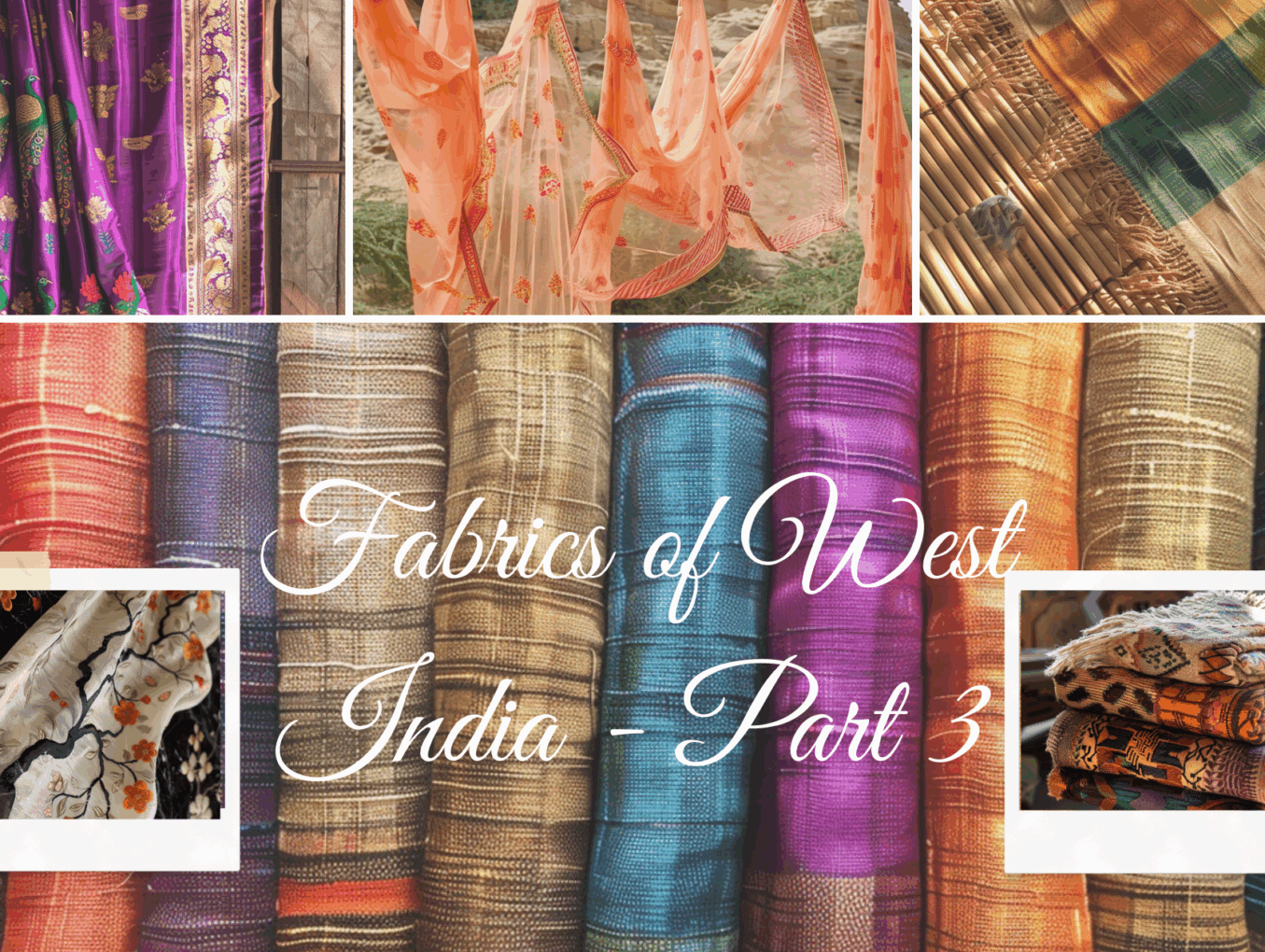
Western and Central India are a treasure trove of textile traditions, each region weaving its own legacy of color and craft. From the regal Paithani silks of Maharashtra to the intricate Bandhani and Patola of Gujarat, the sheer elegance of Chanderi and Maheshwari from Madhya Pradesh, and the earthy Kosa and Pata weaves of Chhattisgarh, these fabrics are more than clothing. They are living expressions of history, culture, and everyday life, carried forward through festivals, rituals, and generations of skilled hands.
Paithani Silk – Maharashtra’s Royal Weave
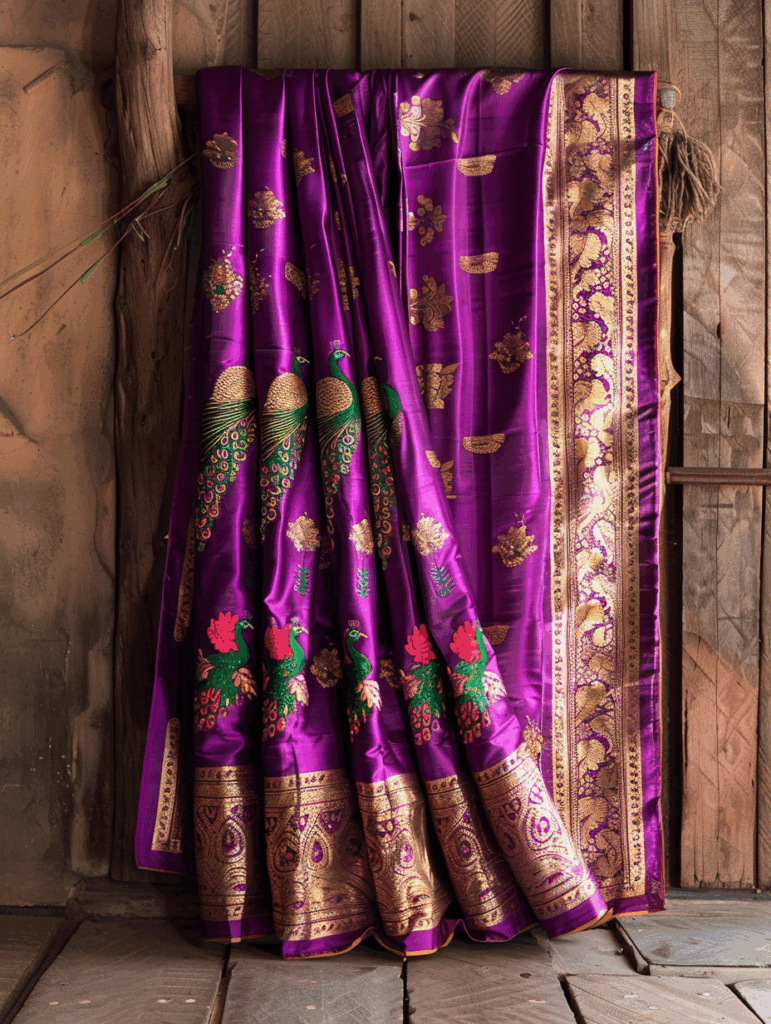
Paithani silk sarees from Maharashtra are celebrated for their rich colors and intricate motifs. Woven in towns like Paithan and Yeola, they often feature peacocks, lotuses, and floral patterns with gold and silver zari. The beautifully detailed pallu and borders, created with tapestry techniques, make every Paithani a piece of history passed down as an heirloom.
Solapur Chaddar – Maharashtra’s Loom of Comfort
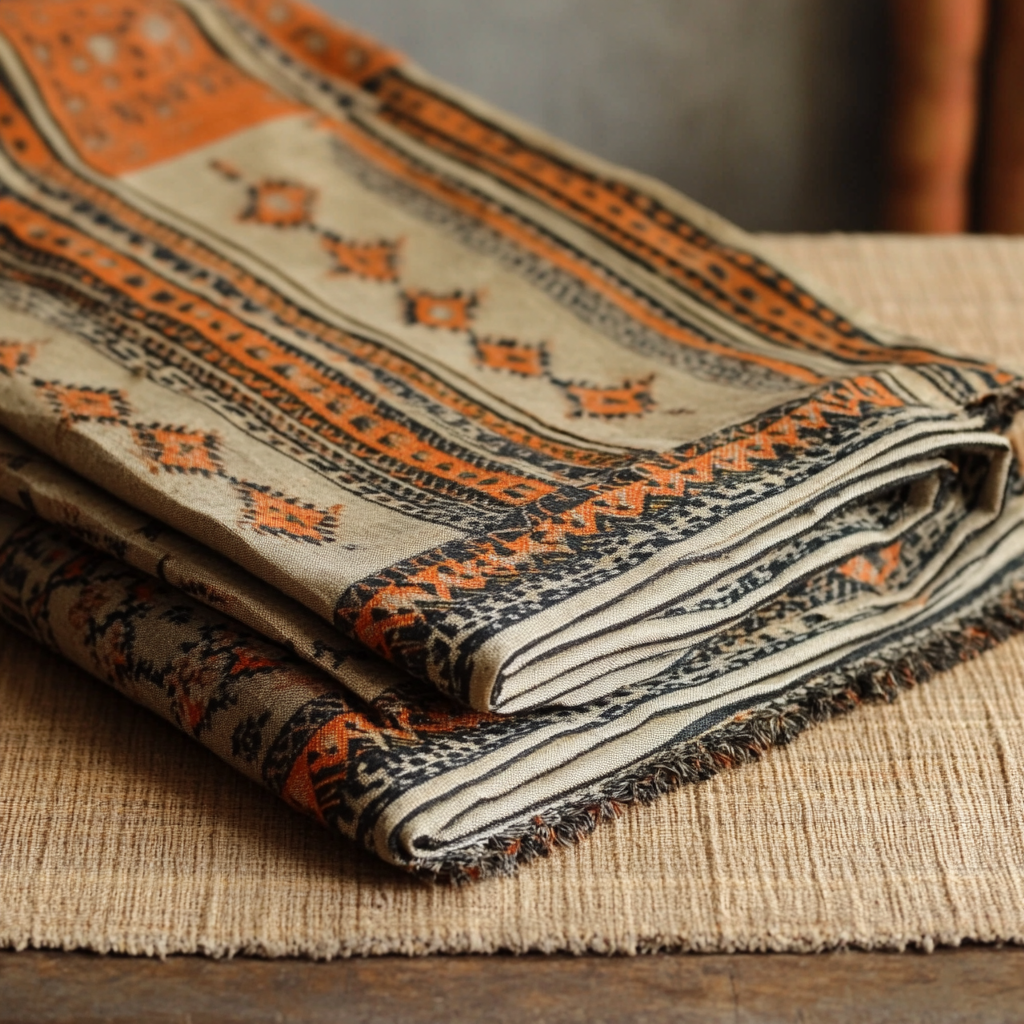
The Solapur chaddar is a distinctive cotton blanket woven in Solapur, Maharashtra. Known for its durability, softness, and vibrant geometric designs, it has been a household essential across India for generations. These chaddars are made using jacquard looms and often feature bold borders and traditional motifs. Beyond their practicality, Solapur chaddars symbolize the strength of Maharashtra’s weaving community and remain a proud export of the region.
Bandhani – Gujarat’s Tie-Dye Tradition
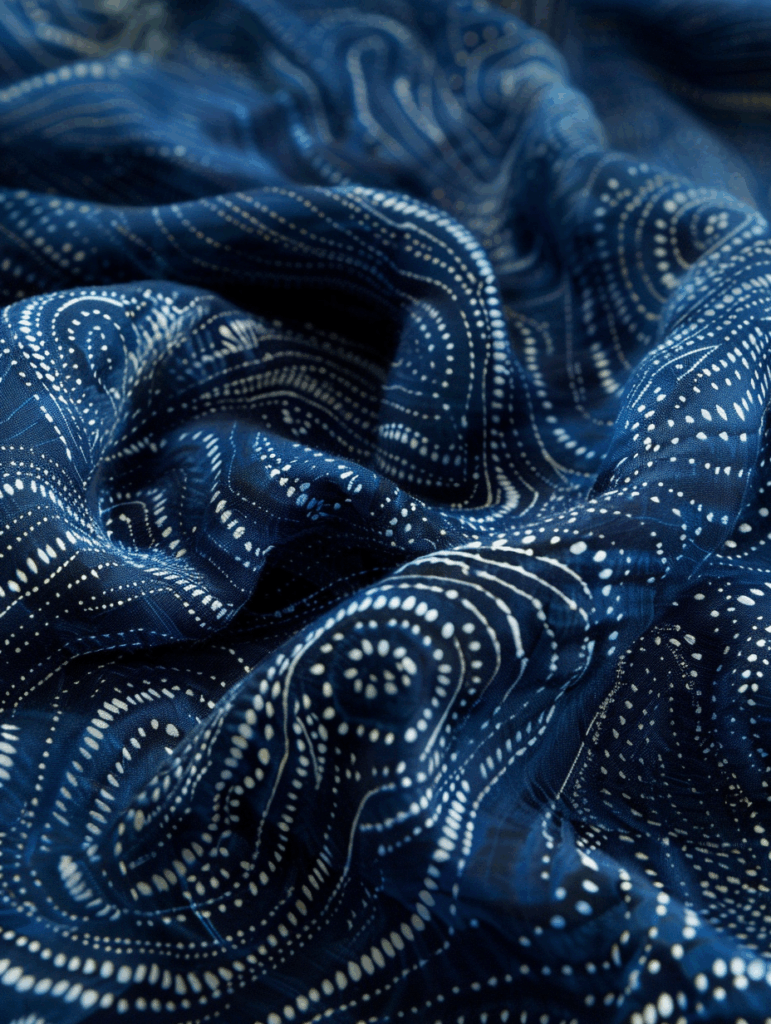
Bandhani is Gujarat’s signature tie-dye art, made by carefully tying tiny sections of fabric and dipping them in bright dyes. The result is a burst of dotted patterns in colors like red, yellow, and green—each shade carrying symbolic meaning. Popular during weddings and festivals, Bandhani dupattas, sarees, and turbans are loved for their vibrancy and cultural depth.
Leheriya – Rajasthan’s Wave of Color
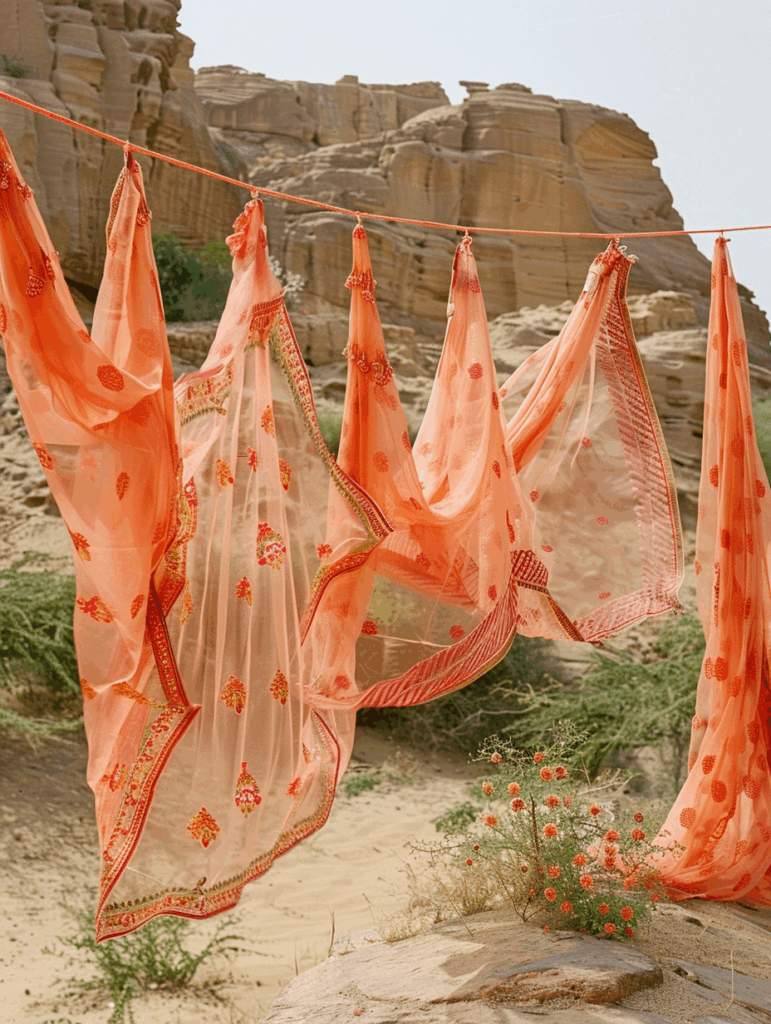
Leheriya, a resist-dyeing technique from Rajasthan, creates diagonal, wave-like designs that look almost like rippling water. Traditionally worn during the monsoon season, Leheriya fabrics capture the joy of rain and renewal. The dyeing process, which involves rolling and tying fabric before dyeing, gives every piece its playful, colorful rhythm.
Mashru – The Blend of Faith and Fashion
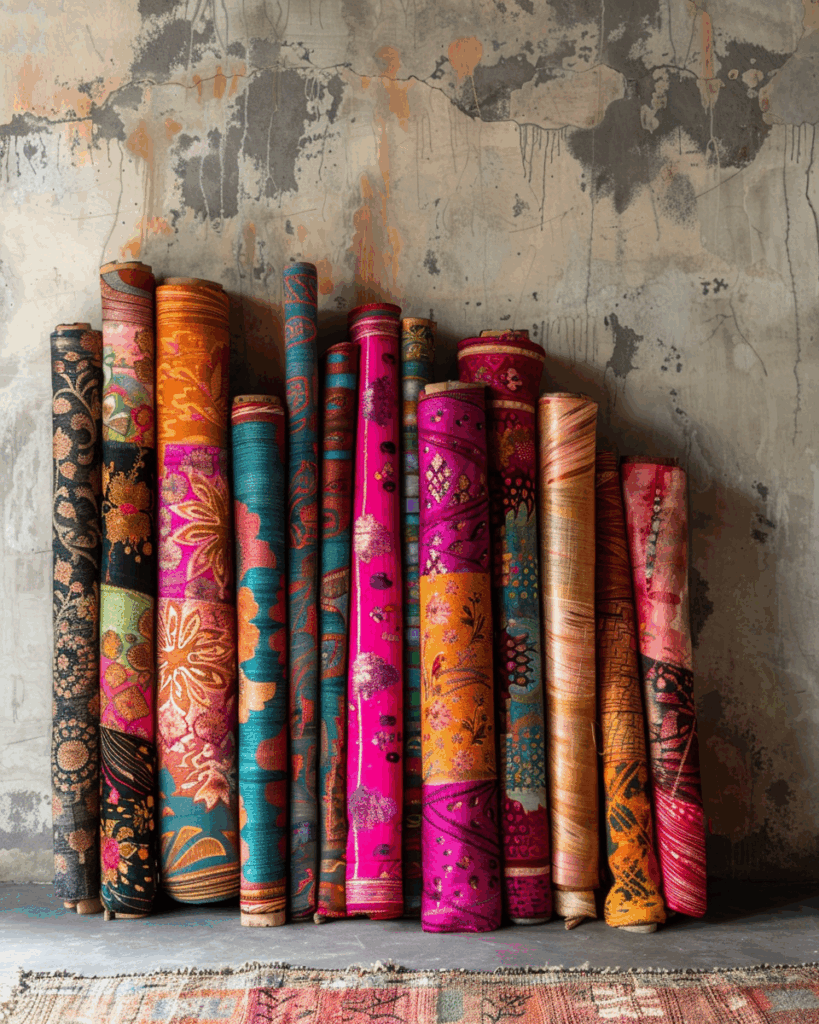
Mashru is a unique fabric that blends silk on the surface with cotton underneath. Originating in Gujarat and Rajasthan, it was once worn to honor religious customs, allowing silk to be enjoyed without touching the skin. Lustrous and striped, Mashru has long been used for skirts, jackets, and men’s attire, balancing elegance with practicality.
Patola – Gujarat’s Double Ikat Marvel
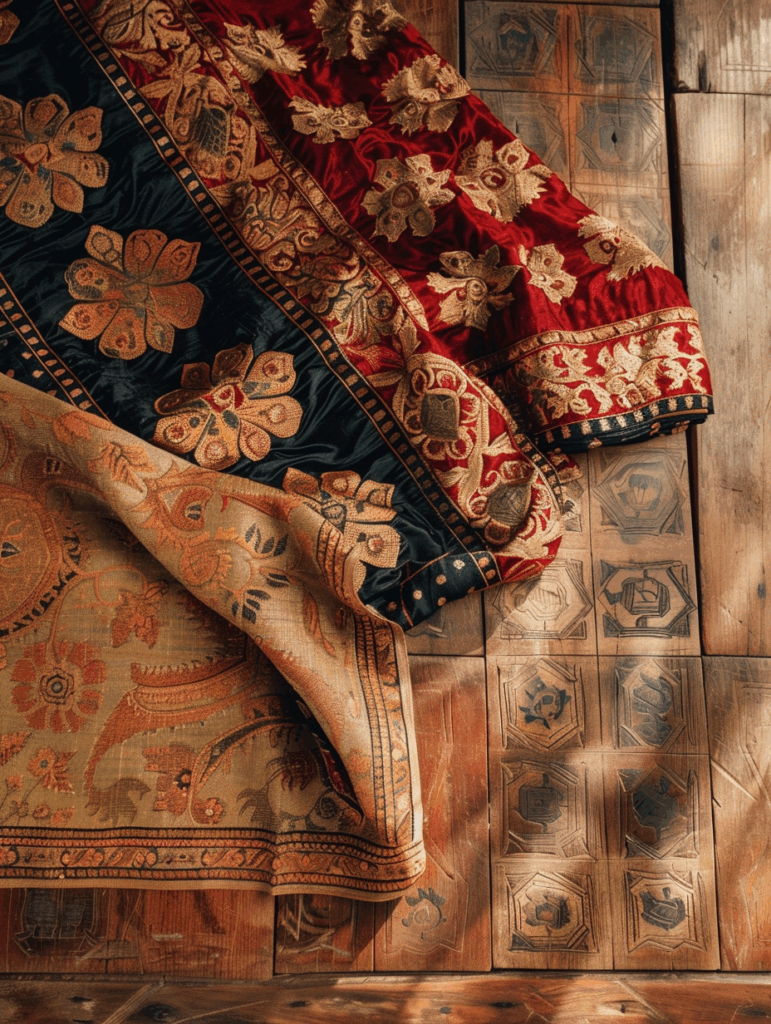
Patola sarees from Patan are known as some of the most complex textiles in India. Woven using the double ikat technique, both the warp and weft threads are dyed in advance so the patterns line up perfectly during weaving. Elephants, parrots, flowers, and other motifs are common, each symbolizing prosperity, protection, and good fortune.
Kota Doria – Lightweight Elegance from Rajasthan
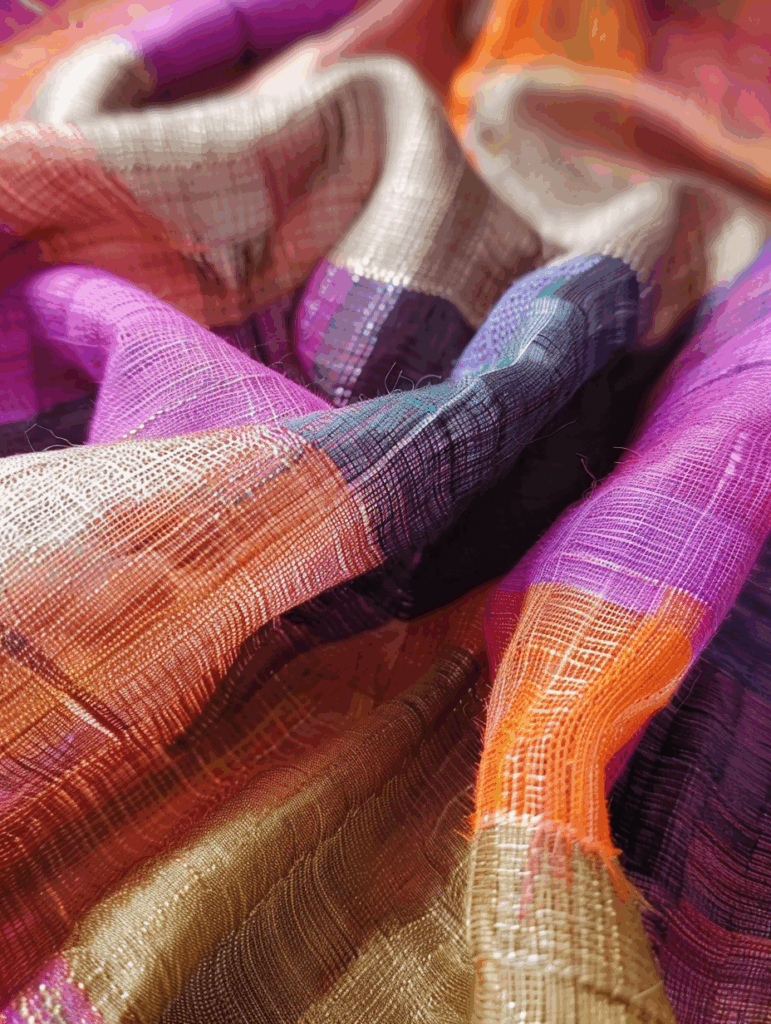
Kota Doria is a light, airy fabric woven in Kota, Rajasthan. Its signature “khat” check pattern, made with a mix of cotton and silk, makes it perfect for hot climates. Whether worn as sarees or dupattas, often accented with zari, Kota Doria is valued for its comfort and quiet sophistication.
Chanderi – Sheer Grace from Madhya Pradesh
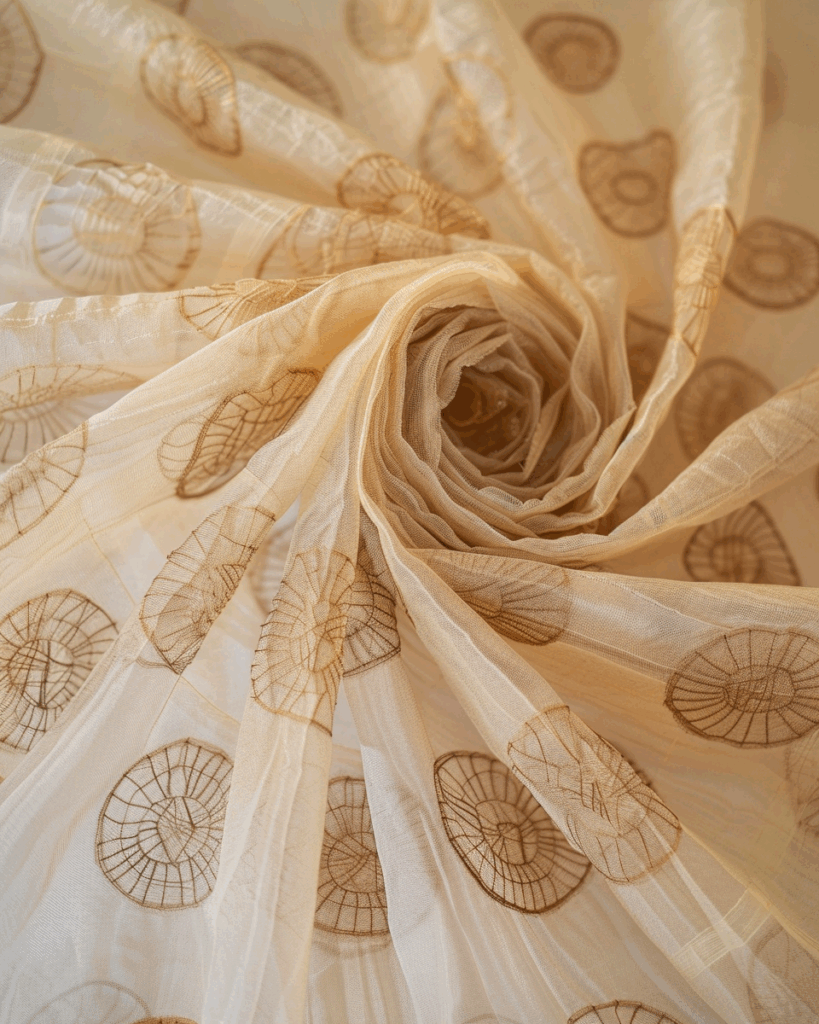
Chanderi fabrics from Madhya Pradesh are admired for their sheer quality and delicate shine. Woven from silk, cotton, or blends, Chanderi sarees often feature timeless motifs like coins, peacocks, and geometric shapes. Lightweight yet elegant, they remain a favorite for festive occasions and formal gatherings.
Maheshwari – Royal Weaves of Madhya Pradesh
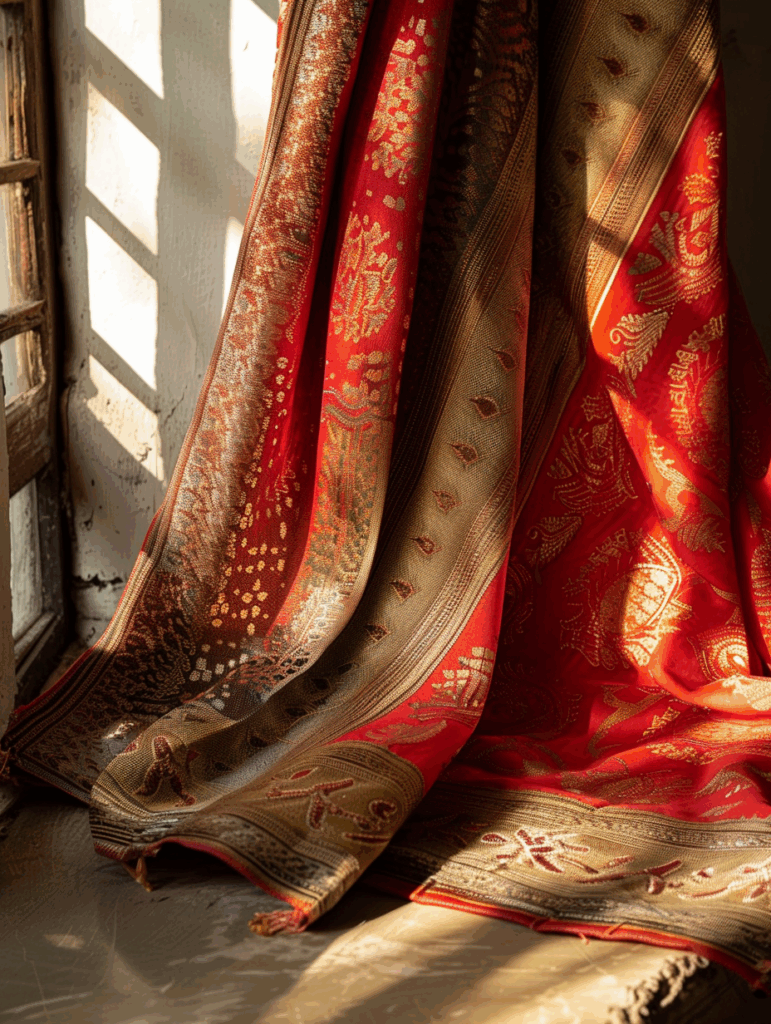
Maheshwari textiles, born in the town of Maheshwar, combine silk and cotton with striking borders and reversible pallus. Commissioned in the 18th century by Queen Ahilyabai Holkar, these sarees continue to embody grace and versatility. Easy to wear yet elegant, Maheshwari fabrics suit both everyday dressing and special events.
Kosa Silk – The Wild Silk of Chhattisgarh
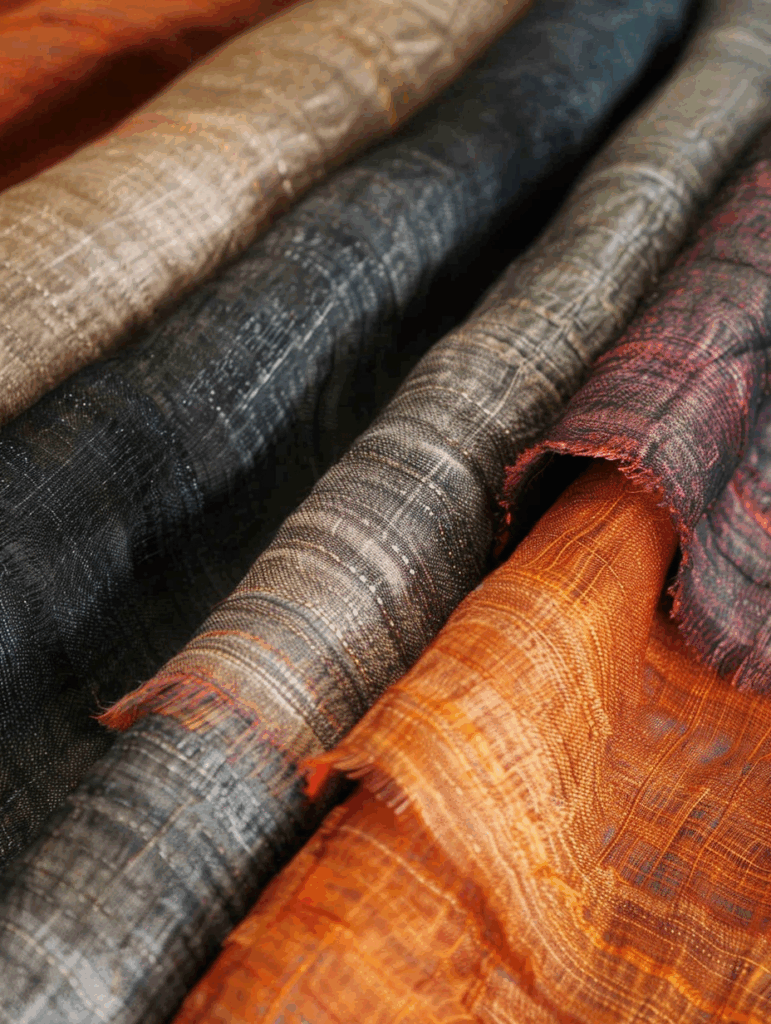
Kosa silk, native to Chhattisgarh, is spun from the cocoons of the Antheraea moth. Naturally golden in hue, this fabric is strong, lustrous, and long-lasting. Woven into sarees and dress materials, often dyed with natural colors, Kosa silk reflects both the artistry and sustainable practices of local communities.
Pata – Tribal Textile Art of Chhattisgarh
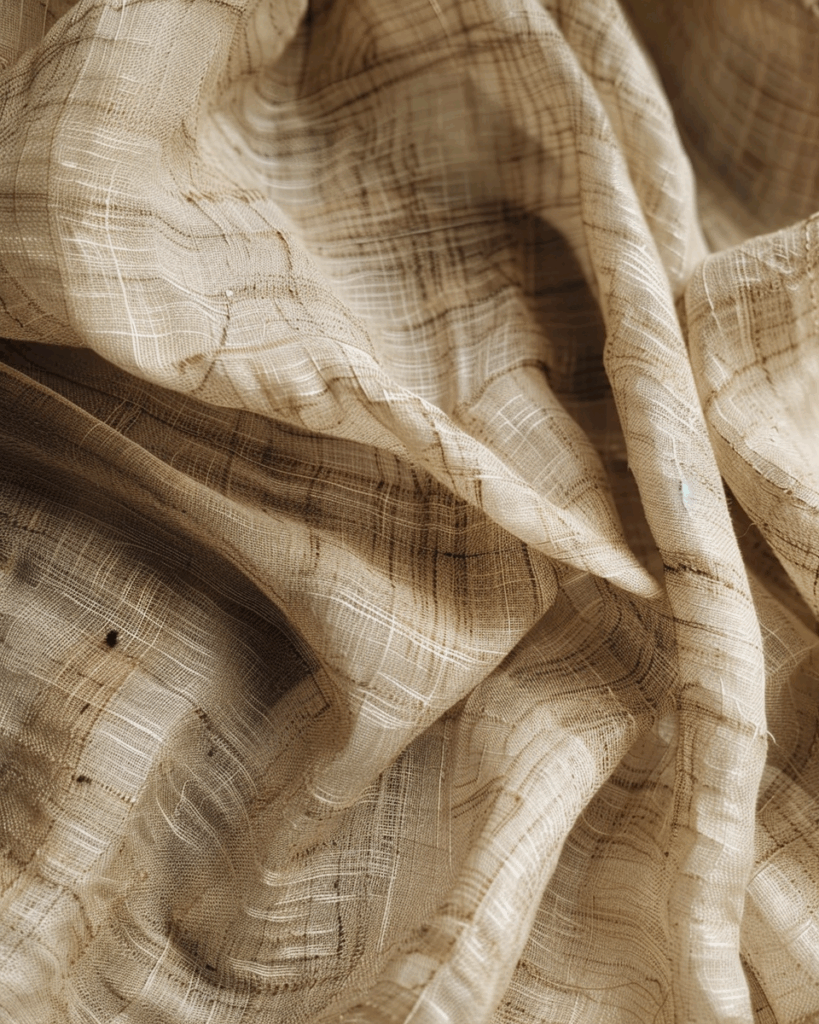
Pata is a traditional handwoven fabric made by tribal groups in Chhattisgarh. Woven on simple looms, it is usually cotton-based and features bold stripes in earthy shades. Pata is worn in daily life as well as during rituals, carrying forward indigenous skills and understated beauty.
Contemporary Revival and Sustainable Practices
Traditional weaves of Western and Central India are finding new life through revival efforts. Designers are blending heritage with contemporary styles, while communities are returning to natural dyes, organic fibers, and ethical methods of production. This balance of preservation and innovation ensures these textiles remain relevant for the next generation.
Threads That Bind Culture and Craft
From the royal Paithani to the earthy Pata, the fabrics of this region are more than just textiles, they are stories of resilience, creativity, and cultural pride. Each piece connects us to artisans who keep traditions alive and to the timeless beauty of Indian craftsmanship.