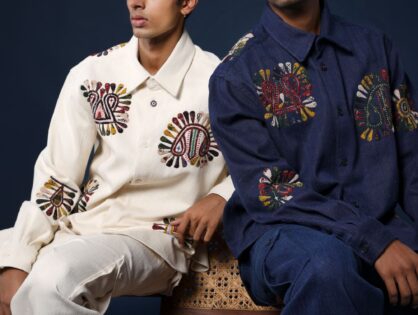
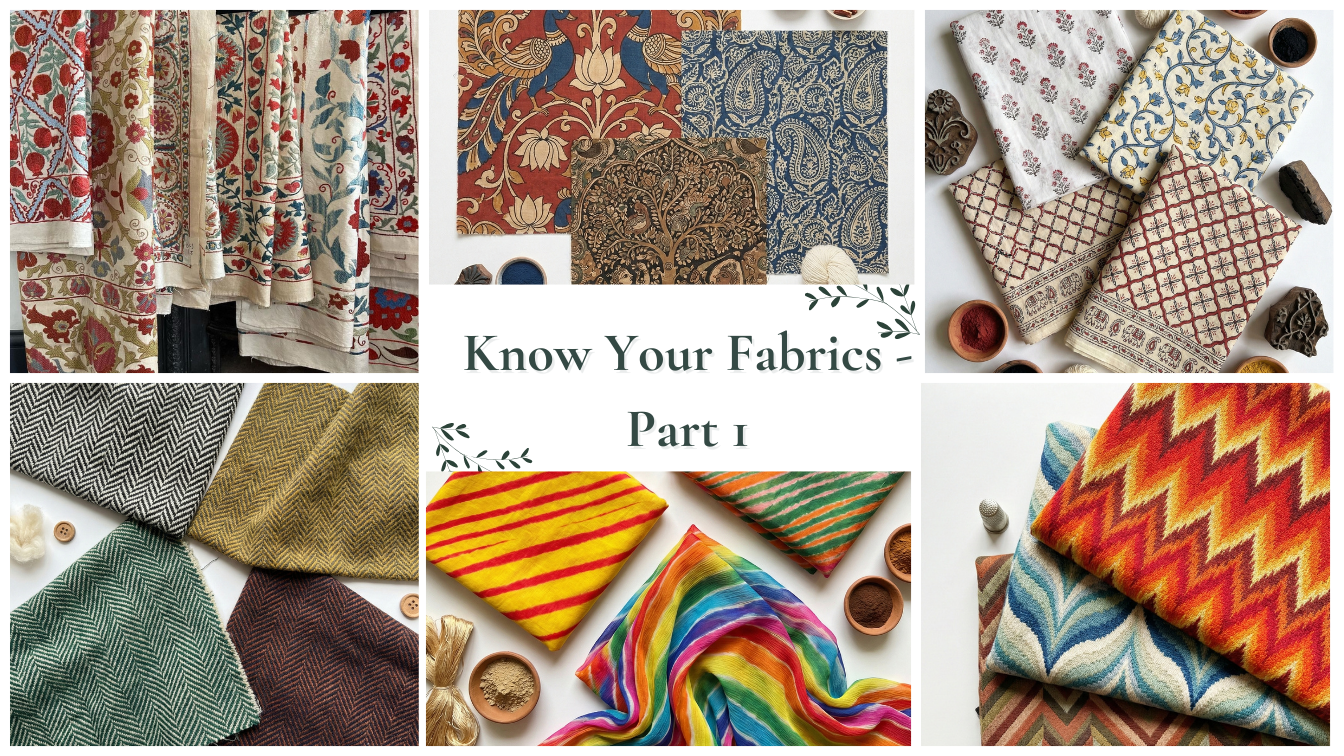
Fashion often begins with colour, silhouette, or style. But long before a garment becomes a finished piece, its story begins with something much deeper the fabric and the technique behind it. The way a fabric is woven determines how it breathes, moves, and lasts, while the prints and patterns give it personality and cultural identity.
Understanding fabrics, textile techniques, and traditional prints is the first step toward appreciating what you wear. From handloom fabrics to powerloom fabrics, and from block printing to screen printing, each method leaves a unique mark that defines the character of a garment.
Most people first notice the colour or design of a garment, but the real essence of clothing lies in the textile itself. Fabric techniques determine:
- Durability
- Breathability
- Texture
- Visual depth
Cultural significance
From hand-dyed textiles to intricate weaving structures, each method contributes to the final look and feel of the fabric. By understanding these techniques, you can develop a deeper appreciation for what goes into creating a garment.
1. Batik – The Art of Wax Resist Dyeing
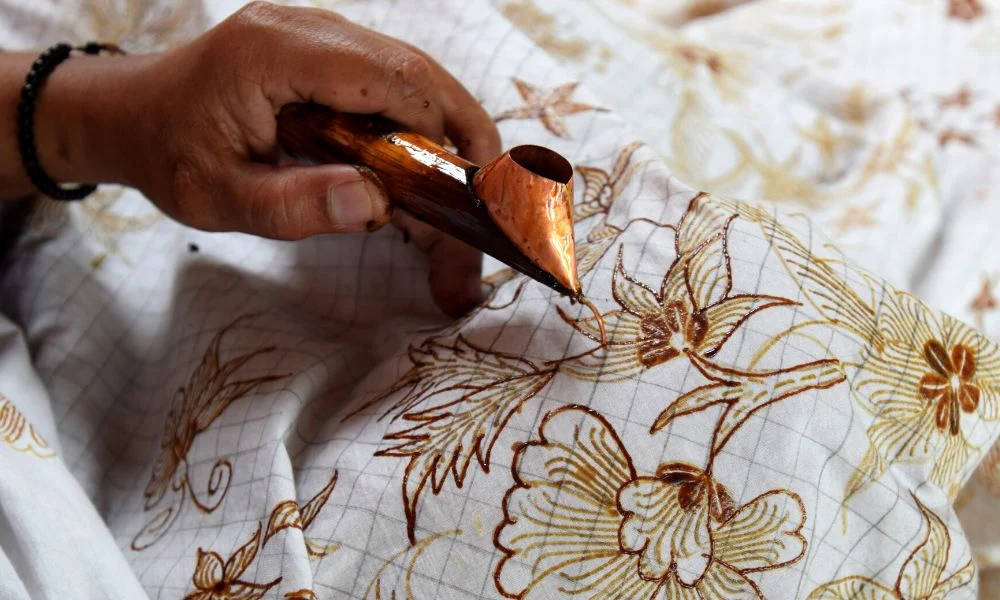
Batik is a traditional textile technique that uses wax to create intricate patterns on fabric before dyeing. The wax acts as a resist, preventing dye from reaching certain areas and creating beautiful layered designs. This technique has been practiced for centuries across parts of Asia and is particularly known in Indonesia and India.
Key characteristics of Batik:
Detailed floral patterns
Smooth cotton base
Polished or glazed finish
Historical influence on global textile design
- Handcrafted patterns created using wax
- Layered dyeing process
- Organic, slightly imperfect designs
- Rich cultural heritage
The beauty of Batik fabrics lies in their uniqueness. Since the wax is applied manually, no two pieces look exactly the same.
2. Bagh – A Legacy of Indian Block Printing
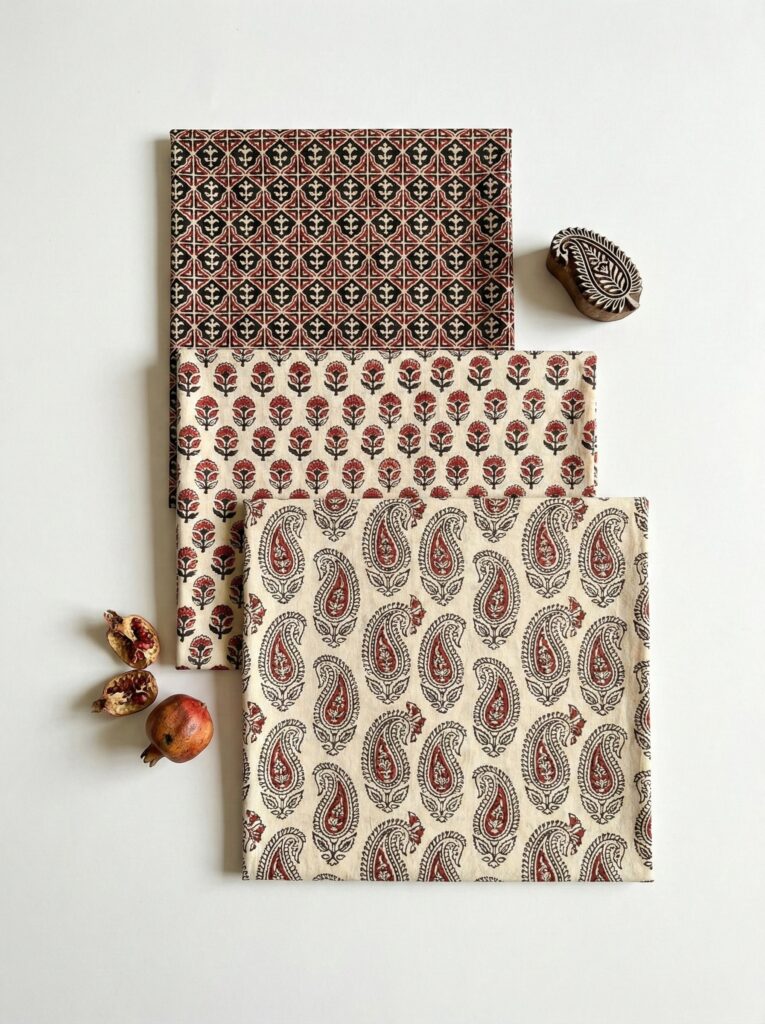
Originating from Madhya Pradesh, Bagh printing is one of India’s most celebrated traditional block printing techniques. Bagh prints are created using hand-carved wooden blocks and natural dyes, producing striking patterns typically in shades of red, black, and white.
What makes Bagh print special?
- Bold geometric and floral motifs
- Natural vegetable dyes
- Repetitive patterns created by hand stamping
- Strong cultural roots in Indian textile traditions
Each Bagh print fabric reflects the precision and patience of artisans who carefully align blocks to create seamless designs.
3. Chintz – The Elegant Floral Classic
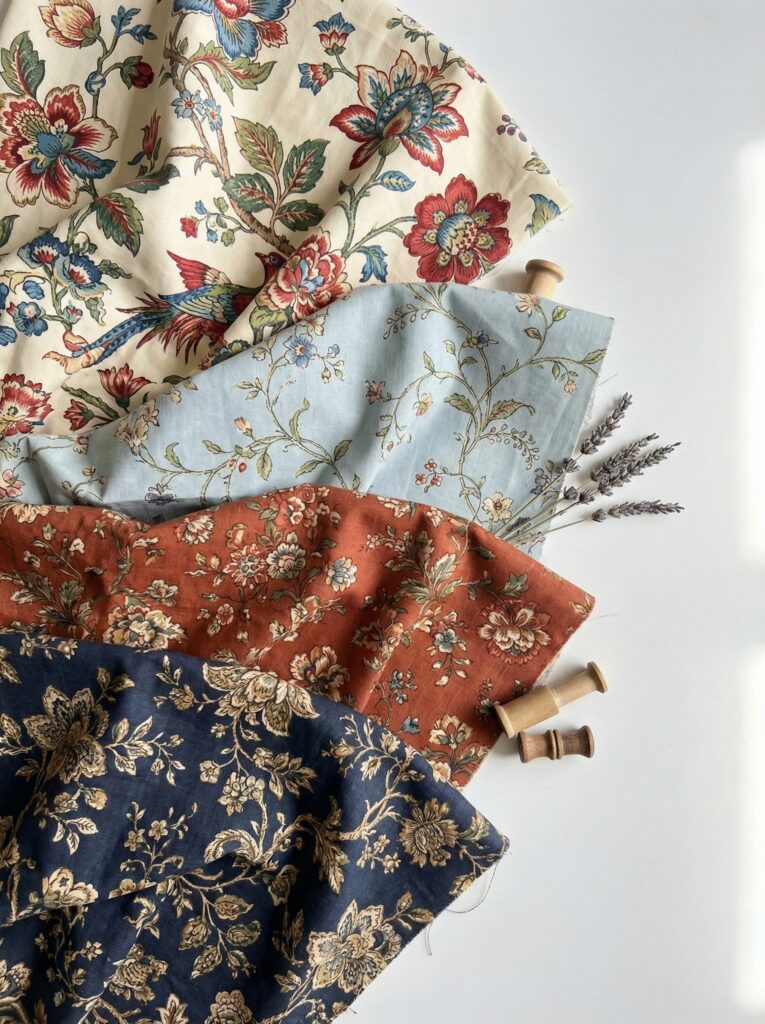
Chintz is known for its vibrant floral patterns printed on cotton fabric. Originally developed in India, this textile became immensely popular in Europe during the 17th and 18th centuries. Chintz fabrics are recognized for their glossy finish and colourful botanical designs.
Features of Chintz fabrics:
- Detailed floral patterns
- Smooth cotton base
- Polished or glazed finish
- Historical influence on global textile design
The timeless beauty of Chintz prints continues to inspire modern fashion and home décor.
4. Dabu – The Ancient Mud Resist Technique
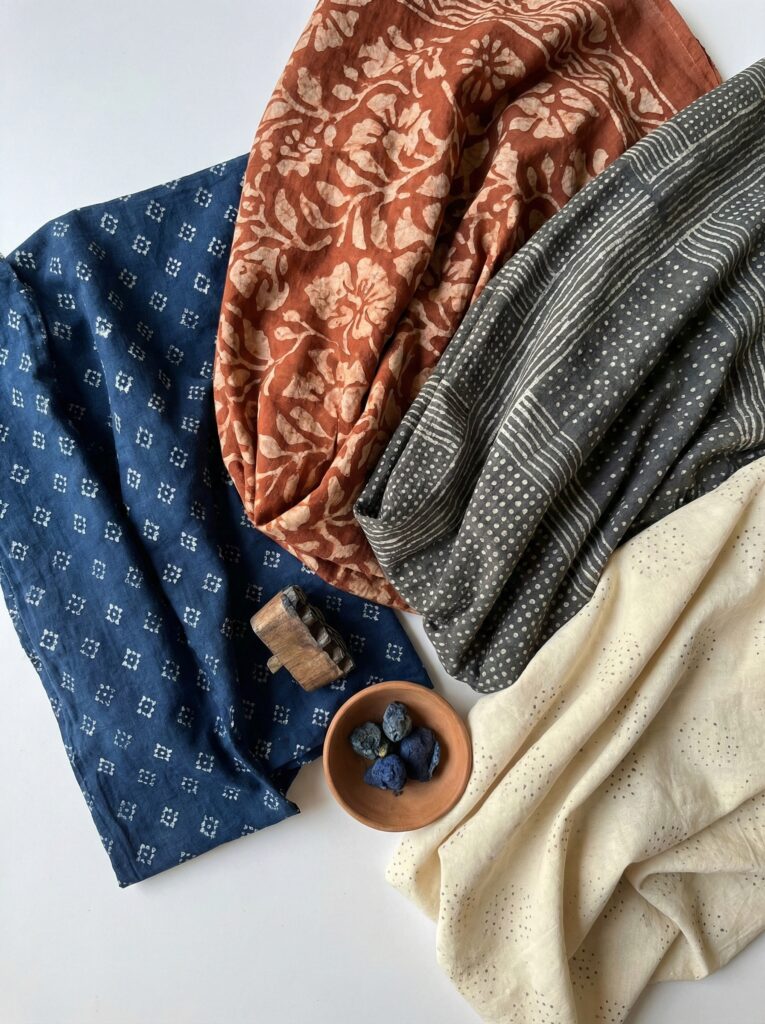
Dabu printing is a traditional mud-resist dyeing technique practiced in Rajasthan.
In this process, artisans apply a mixture of mud, lime, and natural gum onto the fabric using wooden blocks. The fabric is then dyed, and the mud prevents dye from reaching certain areas, creating beautiful patterns.
Highlights of Dabu printing:
- Mud resist technique
- Natural indigo and vegetable dyes
- Soft, earthy colour palette
- Handcrafted patterns with subtle variations
The charm of Dabu printed textiles lies in their natural textures and organic patterns.
5. Flamestitch – The Bold Zigzag Pattern
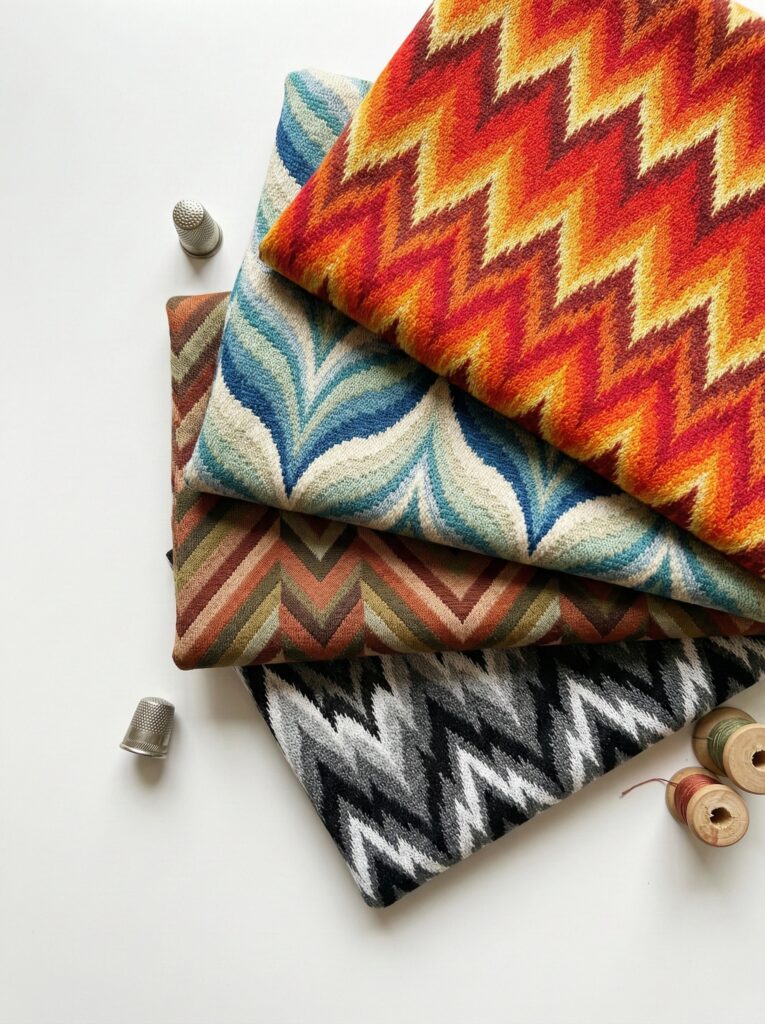
Flamestitch, sometimes referred to as Bargello-style design, is recognized for its striking zigzag or flame-like patterns. These dynamic designs create movement across the fabric and are often used in upholstery and decorative textiles.
Characteristics of Flamestitch
- Bold zigzag patterns
- Vibrant colour combinations
- Strong visual impact
- Often seen in decorative fabrics
The rhythmic pattern of Flamestitch textiles creates a dramatic and energetic visual appeal.
6. Herringbone – A Classic Weave Structure
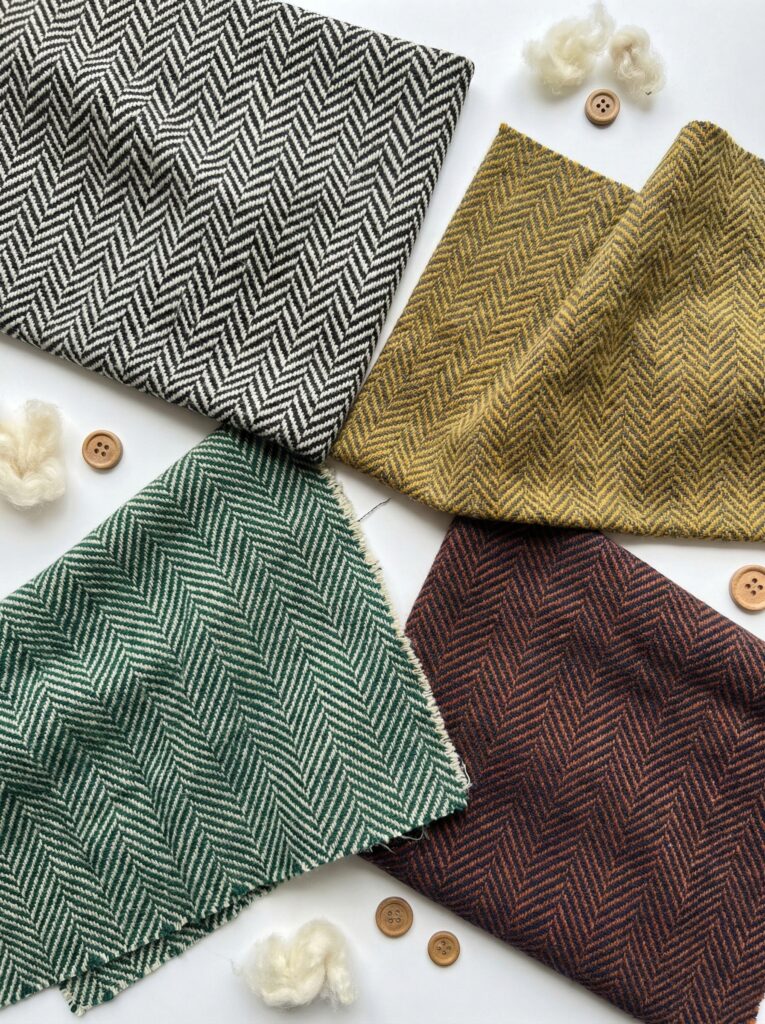
Unlike many other textiles discussed here, Herringbone refers to a weaving technique rather than a print. The name comes from the resemblance of the pattern to the bones of a herring fish.
Key traits of Herringbone fabrics
- Distinct V-shaped weaving pattern
- Durable and structured fabric
- Commonly used in wool and suiting materials
- Elegant and timeless design
The Herringbone weave is widely used in tailored garments and upholstery due to its durability and sophisticated appearance.
7. Ikat – The Art of Resist Dyeing Yarn
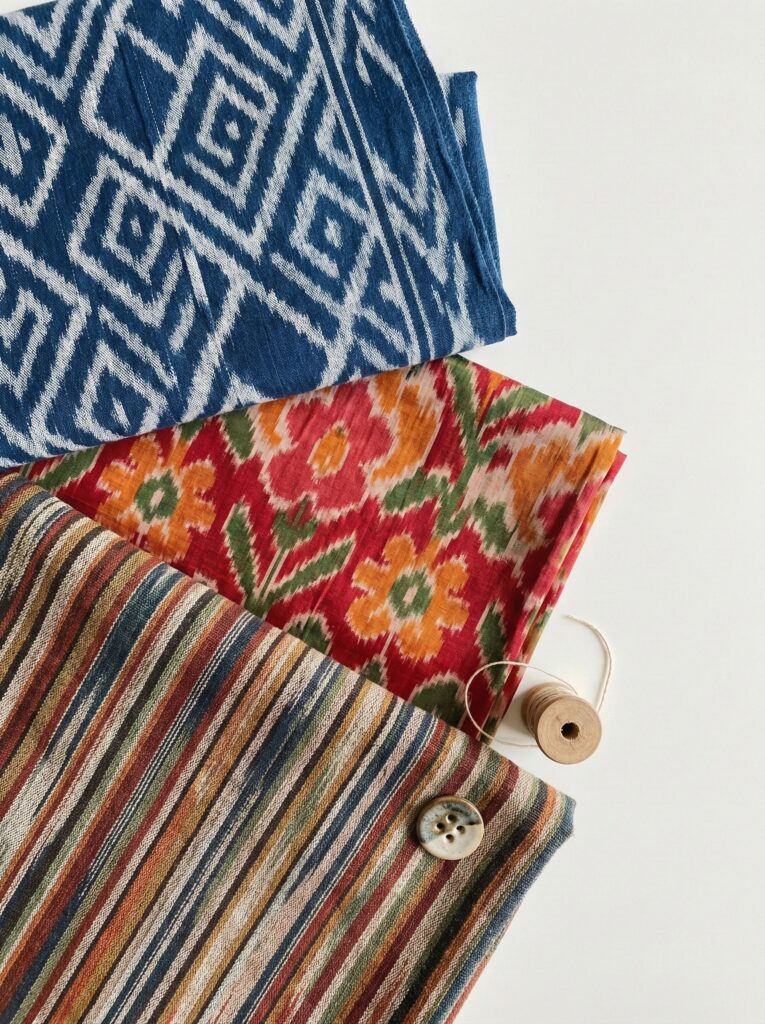
Ikat is a unique dyeing technique where the yarn is dyed before the fabric is woven. Sections of yarn are tightly bound to resist dye, creating intricate patterns once the threads are woven together. This technique requires incredible precision because the patterns must align perfectly during weaving.
What makes Ikat special?
- Patterns created during weaving
- Soft, blurred edges in designs
- Complex dyeing and weaving process
- Deep cultural roots in Asian textiles
The beauty of Ikat fabrics lies in their slightly feathered patterns, which give them a distinct handmade feel.
8. Kalamkari – Storytelling Through Fabric
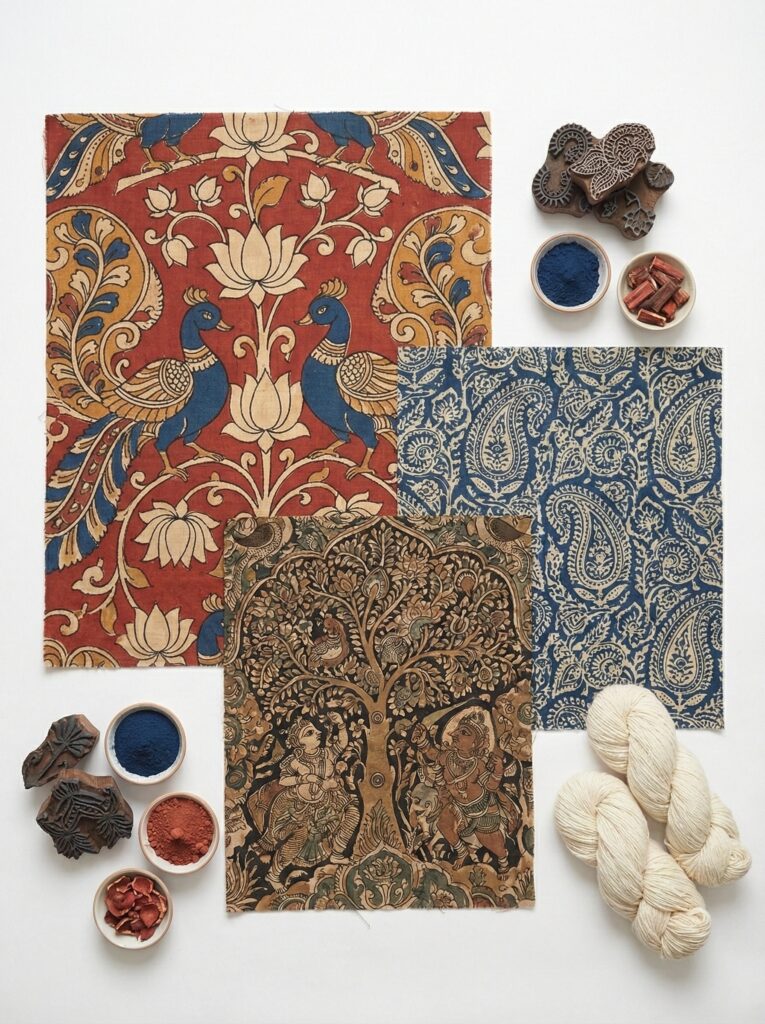
Kalamkari is one of the most intricate traditional Indian textile arts. The name comes from the words kalam (pen) and kari (work), referring to the hand-drawn designs created using natural dyes. Historically, Kalamkari textiles were used to depict mythological stories, temple art, and intricate floral patterns.
Features of Kalamkari textiles
- Hand-painted or block printed designs
- Natural dyes derived from plants and minerals
- Mythological and nature-inspired motifs
- Rich cultural storytelling through fabric
Each Kalamkari fabric is essentially a canvas that reflects the artistic traditions of Indian heritage.
9. Khadi – The Fabric of Simplicity and Freedom
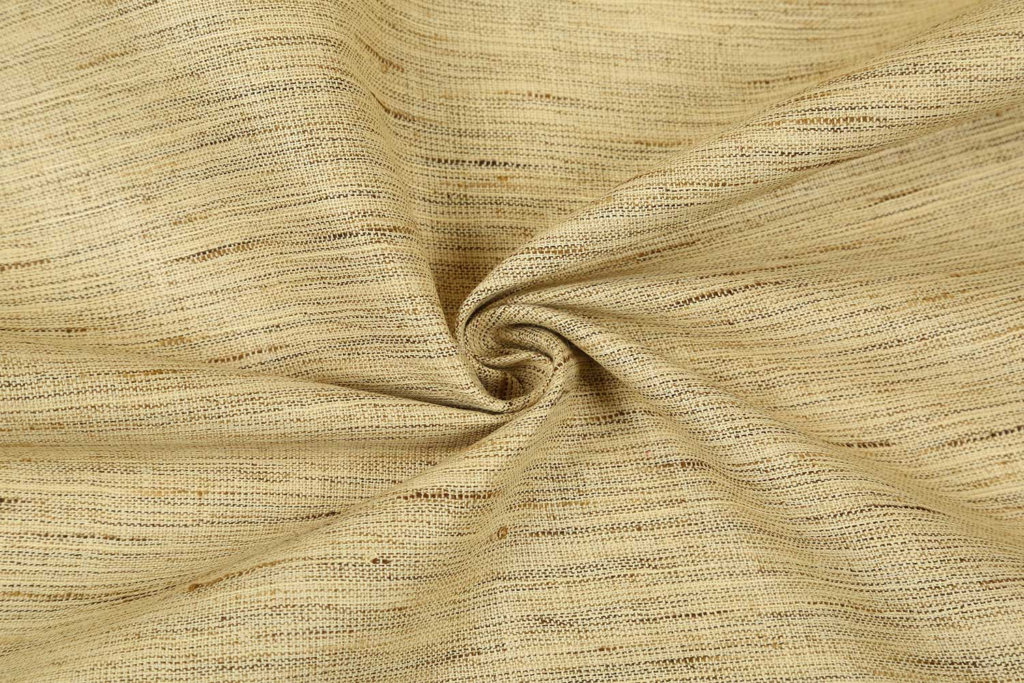
Khadi holds a special place in Indian history. This hand-spun and handwoven fabric became a symbol of self-reliance during India’s freedom movement.
Made using natural fibers such as cotton, silk, or wool, Khadi is known for its breathable and textured quality.
Key characteristics of Khadi:
- Hand-spun yarn
- Handwoven fabric
- Soft yet durable texture
- Sustainable and eco-friendly production
The beauty of Khadi fabric lies in its simplicity and authenticity, making it both culturally significant and environmentally conscious.
10. Jaali – Inspired by Architectural Latticework
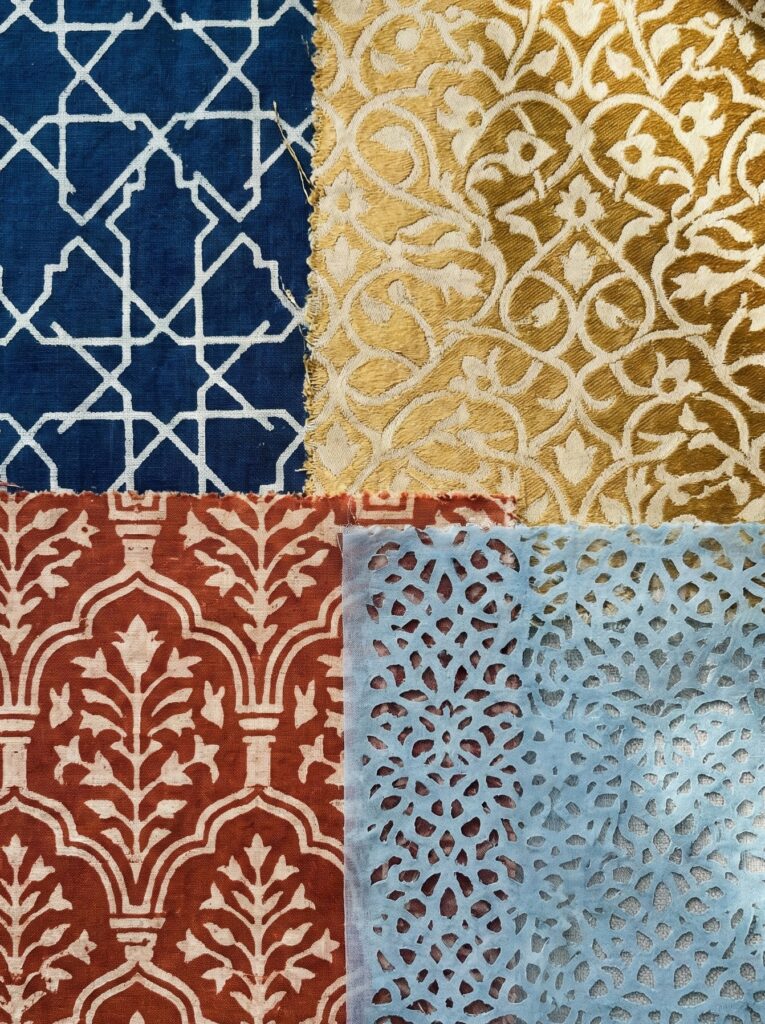
Jaali patterns draw inspiration from the intricate lattice designs seen in traditional Indian architecture. These geometric motifs resemble the carved stone screens found in historic monuments and palaces.
Features of Jaali textiles:
- Geometric lattice-inspired patterns
- Architectural design influence
- Repeating symmetrical motifs
- Elegant and structured aesthetic
Jaali designs bring the beauty of architectural craftsmanship into textile art.
11. Leheriya – The Flowing Wave Pattern
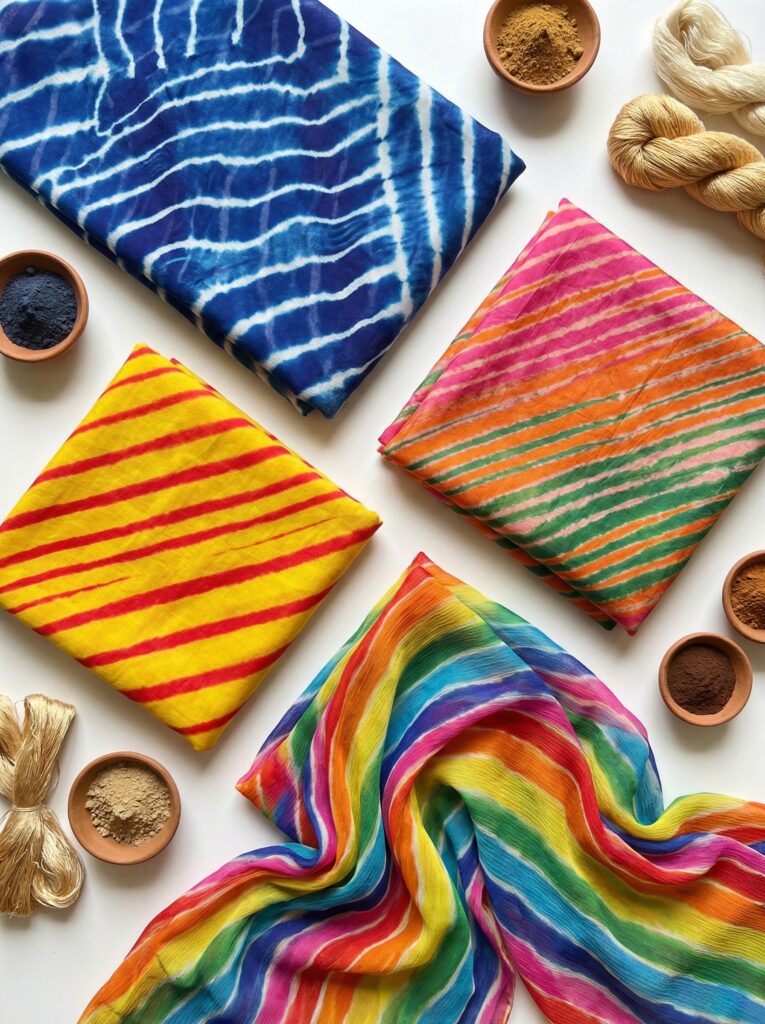
Leheriya is a traditional Rajasthani tie-dye technique known for its flowing diagonal stripes that resemble waves. The name “Leheriya” comes from the Hindi word leher, meaning wave.
Features of Leheriya textiles
- Wave-like diagonal stripe patterns
- Tie-dye dyeing technique
- Vibrant and festive colours
- Strong cultural association with Rajasthan
Leheriya fabrics create a lively sense of movement and are often worn during celebrations and festivals.
12. Mughal Floral – Inspired by Royal Gardens
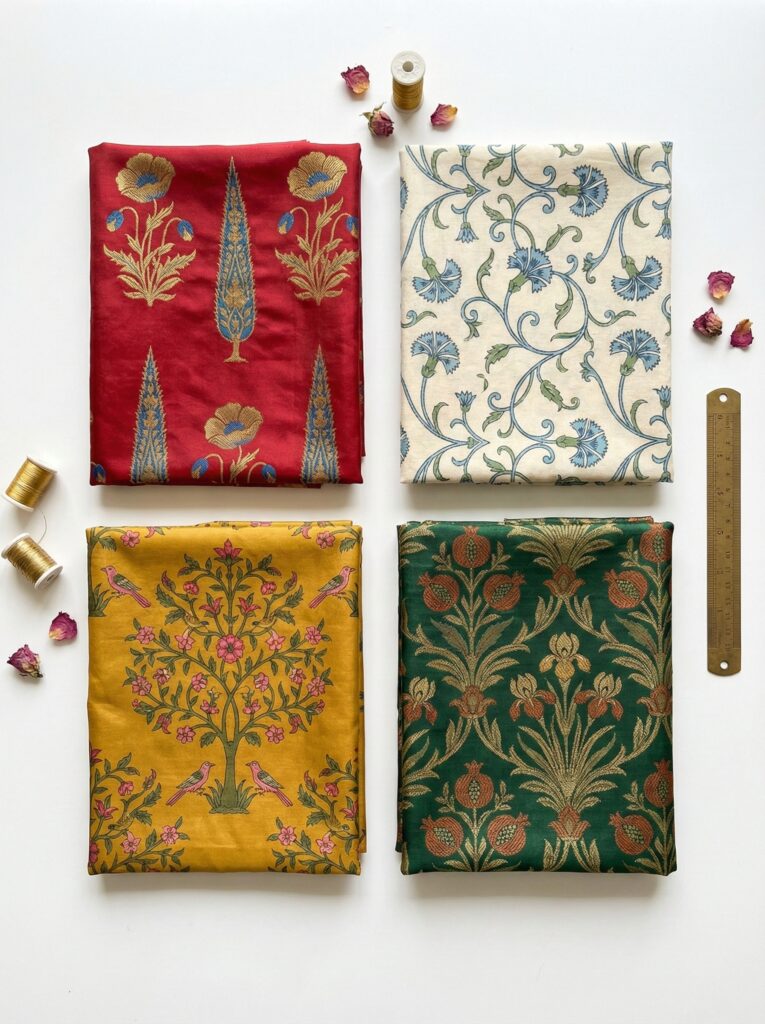
Mughal floral patterns draw inspiration from the elaborate gardens and decorative arts of the Mughal era. These designs feature intricate botanical motifs arranged in symmetrical and elegant compositions.
Features of Mughal floral textiles
- Detailed botanical and floral motifs
- Inspired by Mughal art and architecture
- Symmetrical design arrangements
- Elegant and ornate aesthetic
Mughal floral fabrics reflect the grandeur and refinement of royal Indian design traditions.
13. Ogee – The Elegant Curved Motif
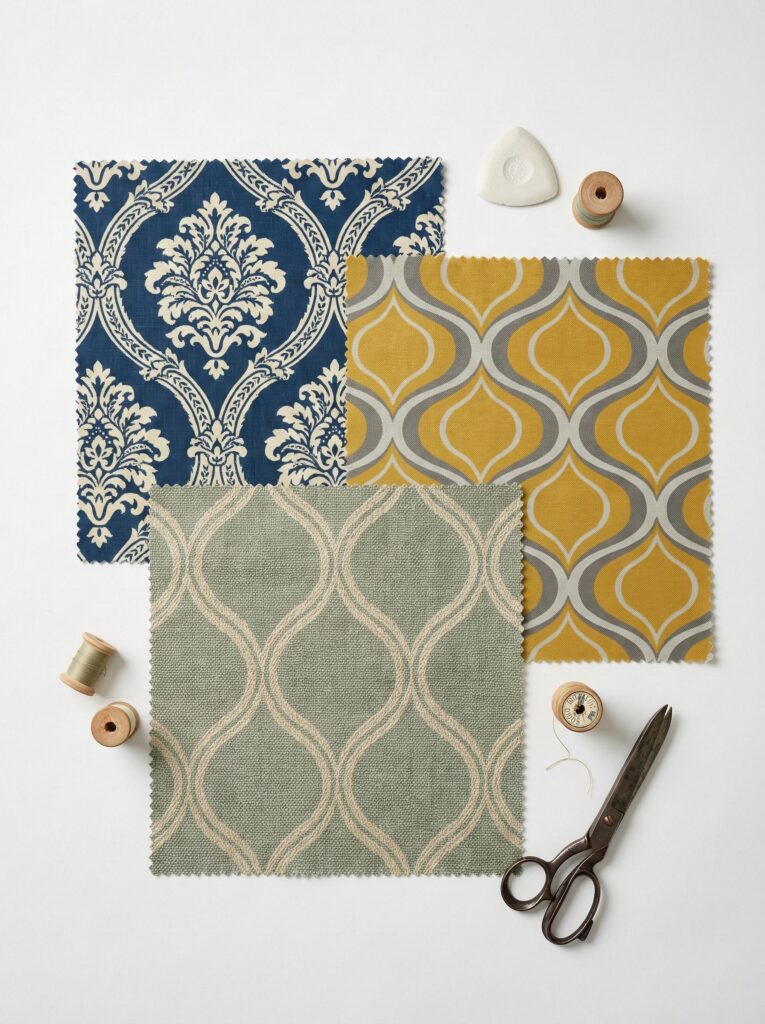
The Ogee pattern is recognized by its distinctive S-shaped curves that form flowing arches. This motif has roots in Persian and Islamic decorative art and has become widely used in textiles and interior décor.
Features of Ogee textiles:
Features of Ogee textiles
- Distinct S-shaped curved pattern
- Repeating ornamental design
- Influenced by Persian and Islamic art
- Elegant and decorative appearance
Ogee patterns add sophistication and rhythm to textile designs.
14. Patola – The Masterpiece of Double Ikat
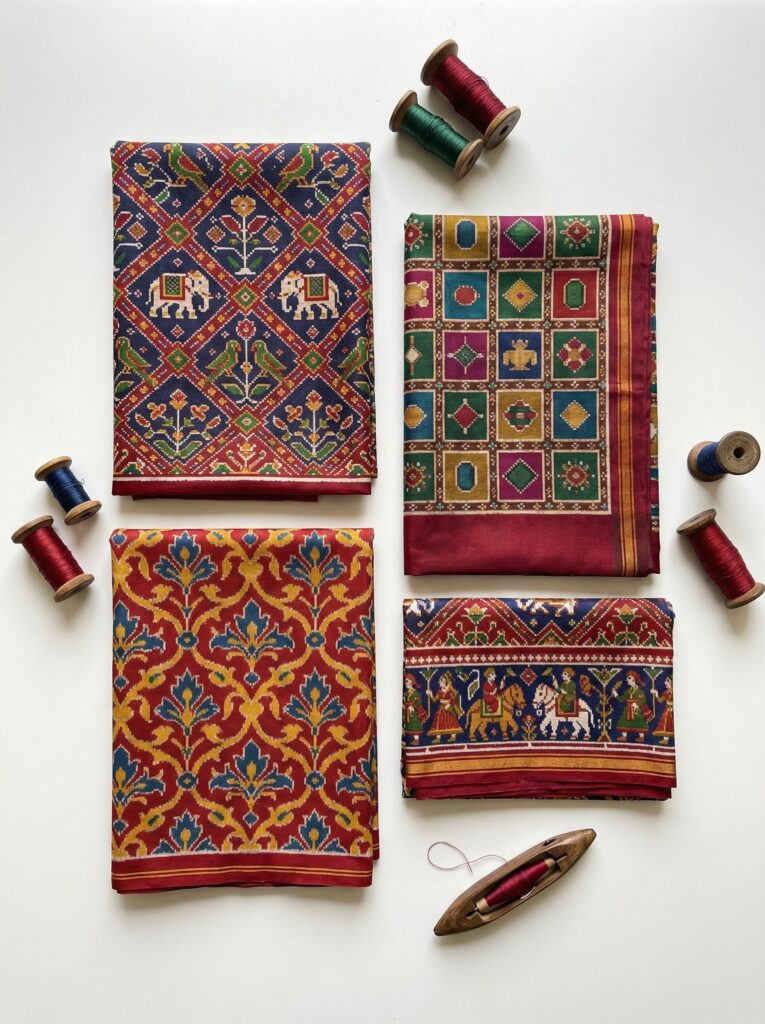
Patola is a luxurious double ikat textile tradition from Gujarat. In this technique, both the warp and weft threads are resist-dyed before weaving, requiring incredible precision to align the patterns perfectly.
Features of Patola textiles
- Double ikat dyeing technique
- Highly intricate geometric patterns
- Rich cultural heritage in Gujarat
- Labour-intensive weaving process
Each Patola fabric represents exceptional craftsmanship and centuries of textile tradition.
15. Polkadot – The Playful Classic Pattern
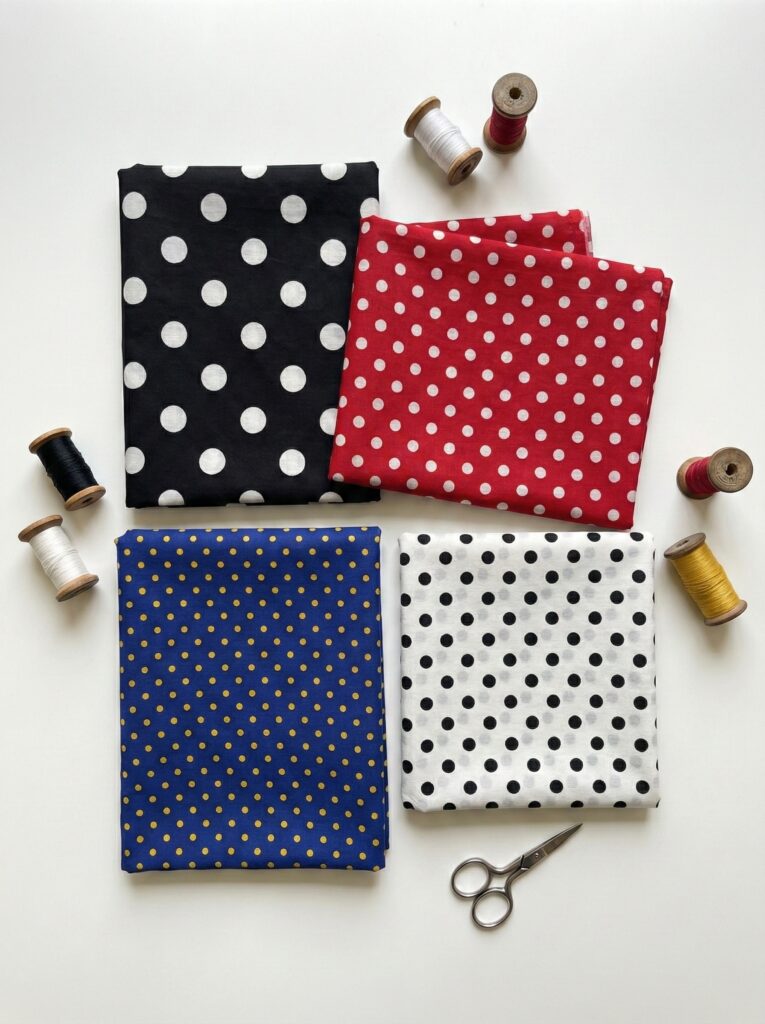
Patola is a luxurious double ikat textile tradition from Gujarat. In this technique, both the warp and weft threads are resist-dyed before weaving, requiring incredible precision to align the patterns perfectly.
Features of Patola textiles:
- Double ikat dyeing technique
- Highly intricate geometric patterns
- Rich cultural heritage in Gujarat
- Labour-intensive weaving process
Each Patola fabric represents exceptional craftsmanship and centuries of textile tradition.
16. Sangneri – The Delicate Floral Block Print
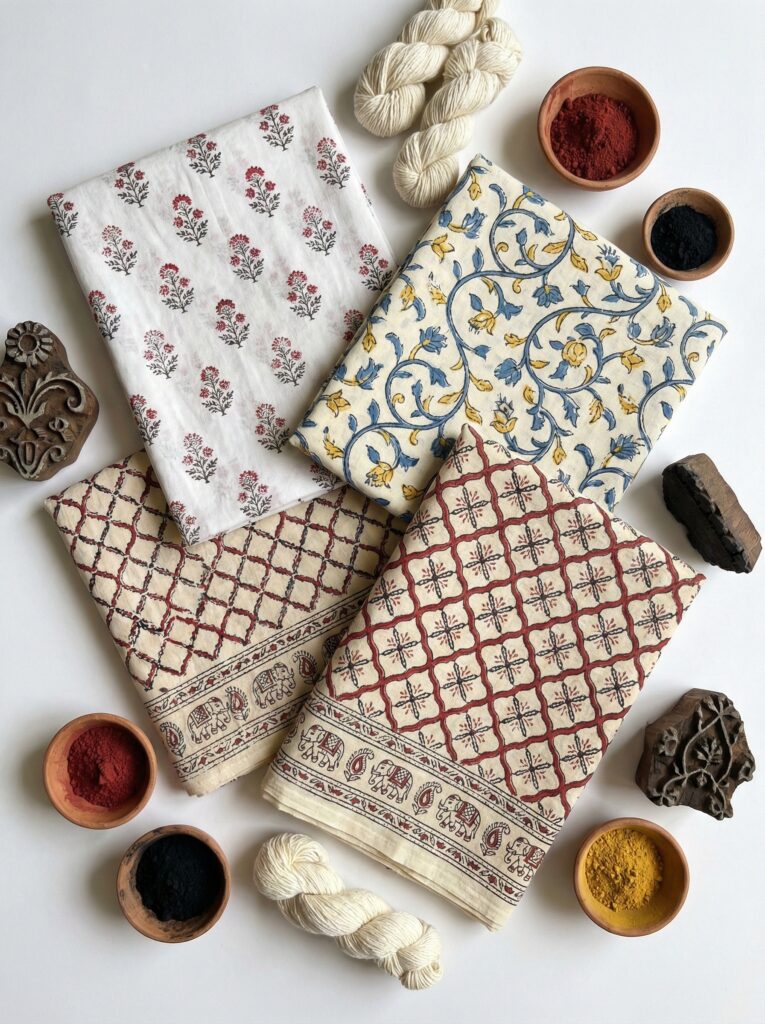
Sangneri printing originates from Sanganer in Rajasthan and is known for its delicate floral motifs printed on light-coloured fabrics. The designs often feature fine lines and intricate botanical details.
Features of Sangneri textiles:
Hand block printed designs
- Hand block printed designs
- Delicate floral and nature motifs
- Light background fabrics
- Traditional Rajasthani printing technique
Sangneri fabrics are admired for their elegance and refined craftsmanship.
17. Shibori – The Japanese Resist Dye Technique
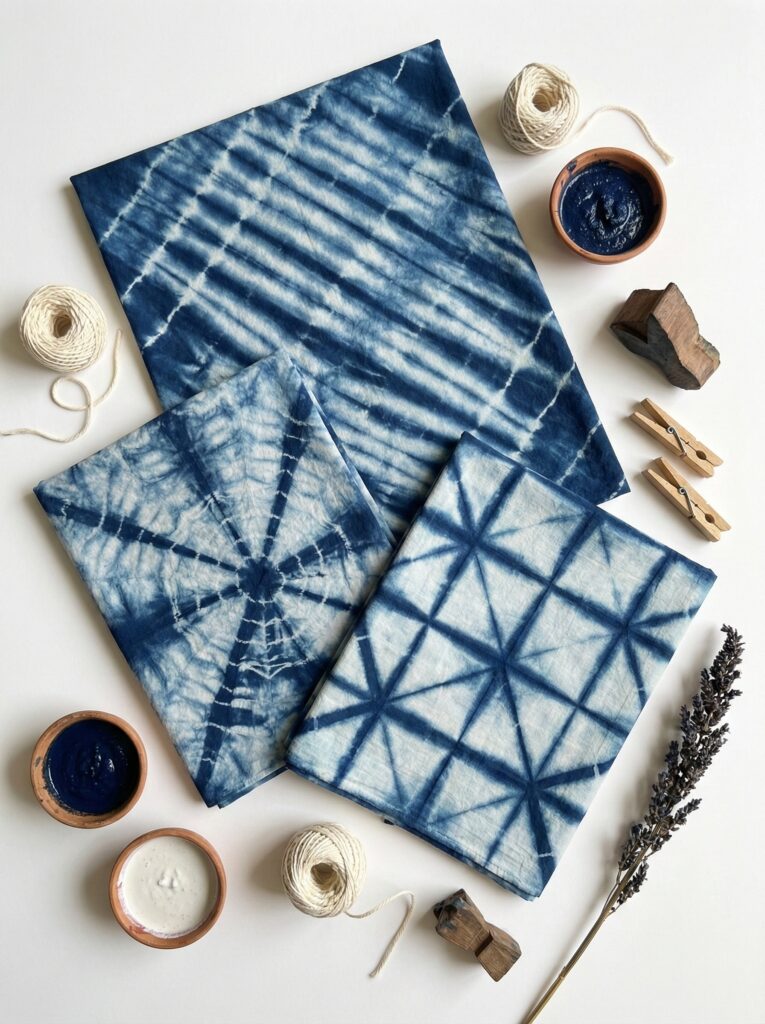
Shibori is a Japanese dyeing technique where fabric is folded, twisted, stitched, or bound before dyeing. Once opened, the fabric reveals striking geometric or abstract patterns.
Features of Shibori textiles:
- Resist dyeing technique
- Folded, stitched, or bound fabric patterns
- Unique geometric and organic designs
- Handmade variations in every piece
Each Shibori fabric is unique due to the manual dyeing process.
18. Suzani – The Art of Embroidered Textiles
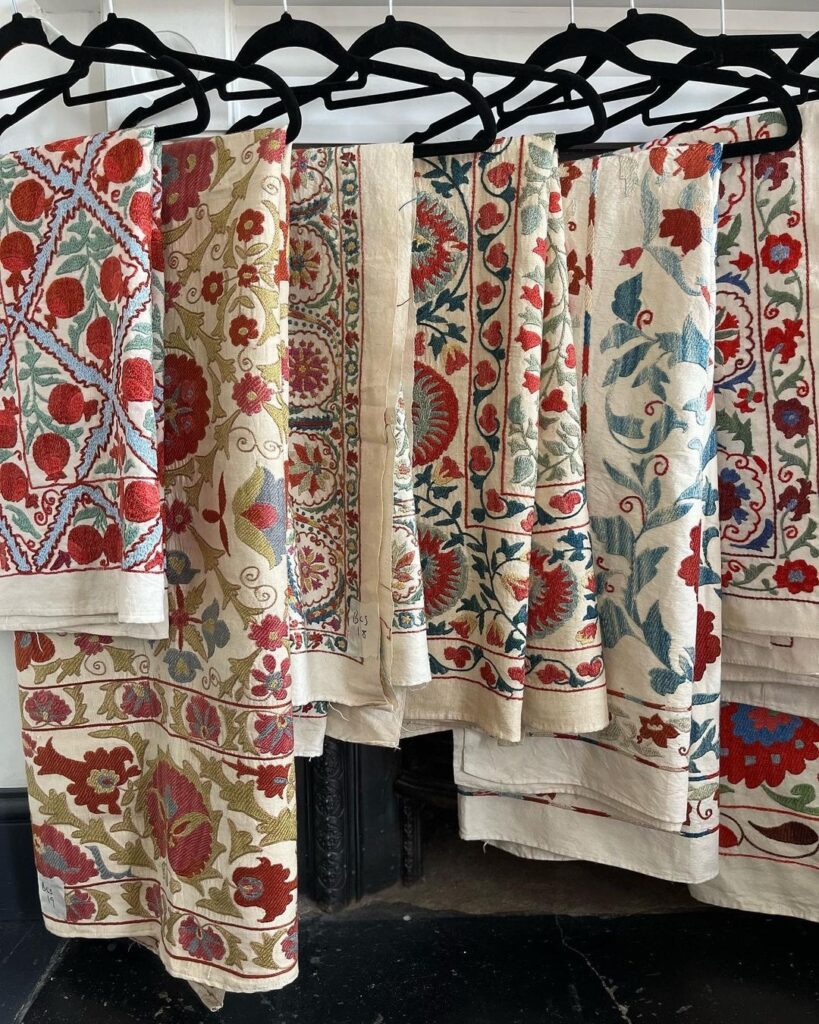
Suzani refers to richly embroidered textiles traditionally made in Central Asia. These fabrics often feature large decorative motifs such as flowers, vines, and sun patterns stitched onto cotton or silk.
Features of Suzani textiles:
- Decorative hand embroidery
- Large floral and sun motifs
- Vibrant colours and intricate stitching
- Traditional Central Asian textile art
Suzani textiles combine embroidery and storytelling through fabric.
19. Tartan – The Iconic Plaid Pattern
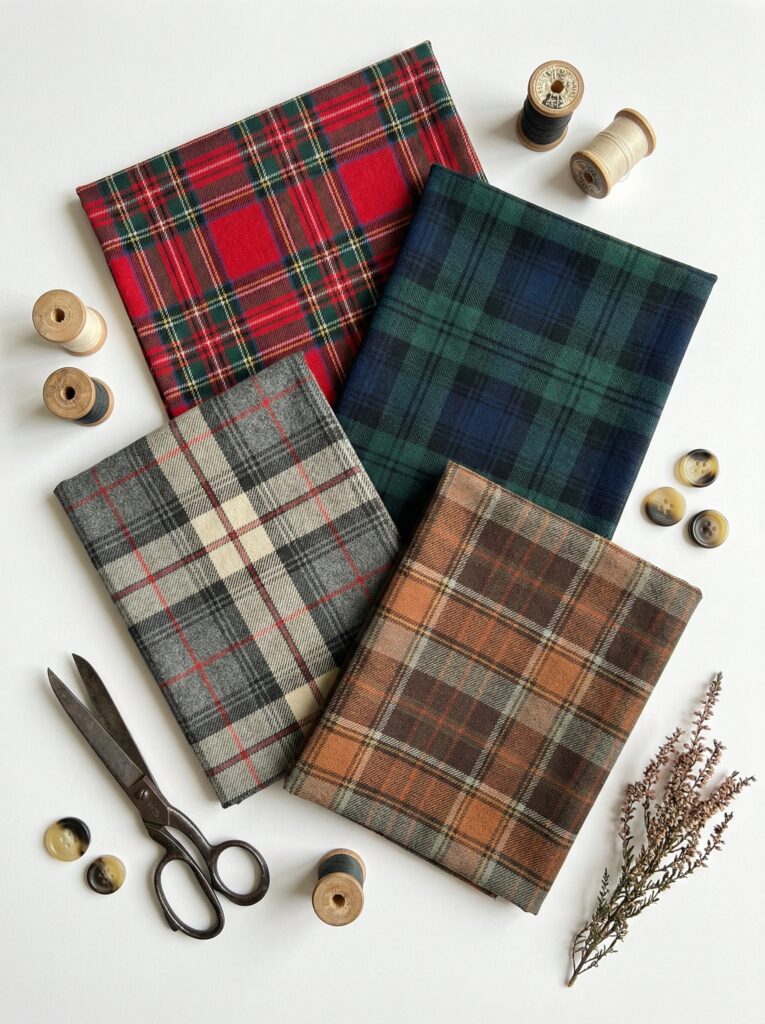
Tartan is a woven pattern consisting of crisscrossed horizontal and vertical stripes in multiple colours. Originating in Scotland, tartan patterns were historically associated with different clans.
Features of Tartan textiles:
- Crisscross plaid pattern
- Woven coloured stripes
- Historical connection to Scottish culture
- Bold and recognizable design
Tartan fabrics remain a timeless pattern in fashion and textiles.
20. Tie-Dye – The Vibrant Resist Dye Technique
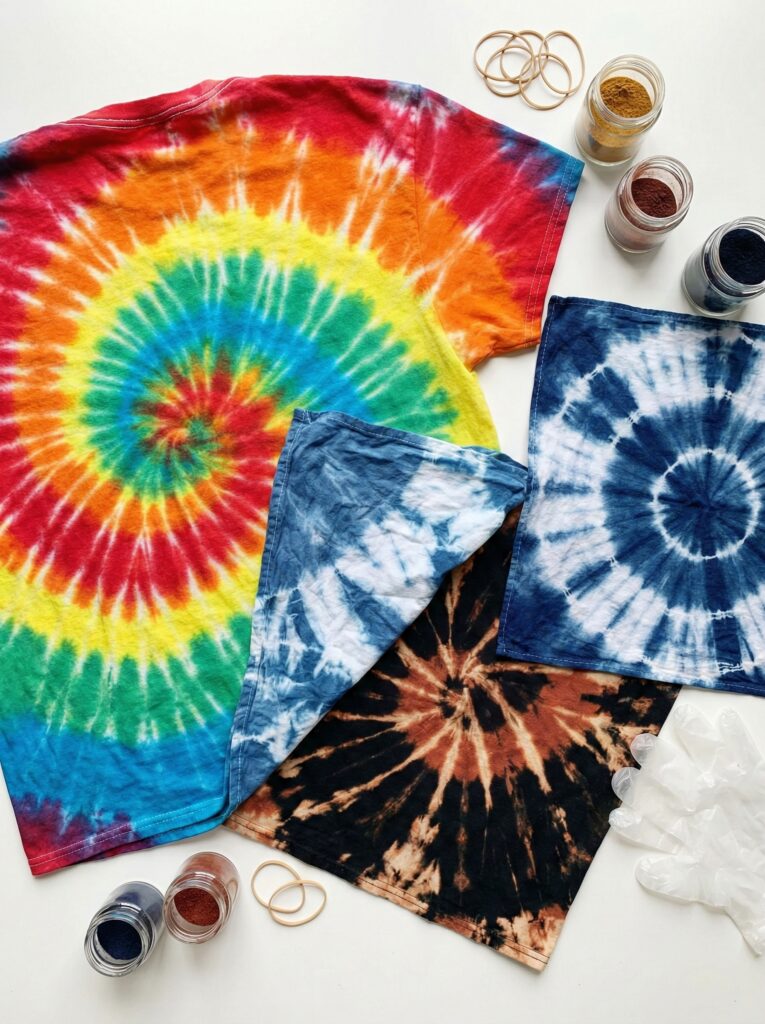
Tie-dye is a dyeing technique where sections of fabric are tied tightly before dyeing. The tied areas resist the dye, creating circular, spiral, or abstract patterns.
Features of Tie-dye textiles:
- Resist dyeing technique
- Spiral or circular pattern designs
- Bright and vibrant colours
- Unique handmade variation
Tie-dye fabrics bring creativity and individuality to textile design.
21. Yuzen – The Refined Japanese Dye Art
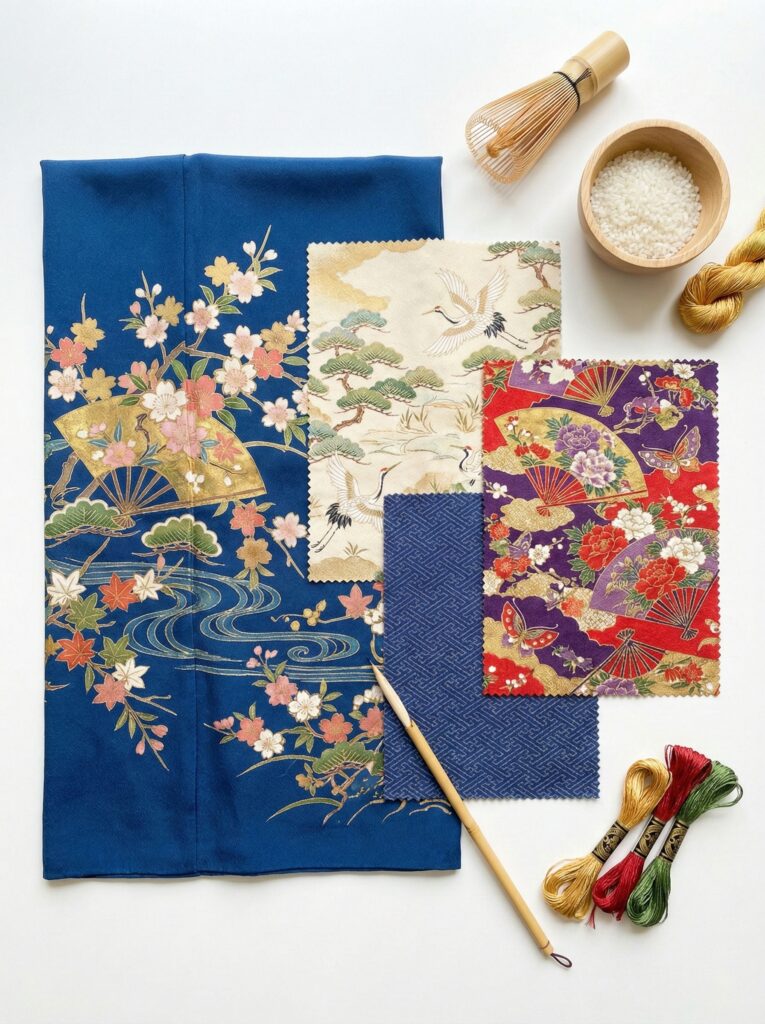
Yuzen is a traditional Japanese dyeing technique used primarily for silk textiles. Artisans hand-paint intricate designs using rice paste resist and vibrant dyes, resulting in extremely detailed patterns.
Features of Yuzen textiles:
Hand-painted dyeing technique
- Intricate and colourful designs
- Traditional Japanese textile art
- Detailed and delicate craftsmanship
Yuzen fabrics are celebrated for their refined artistry and precision.
22. Ajrakh: A Legacy of Natural Dyeing
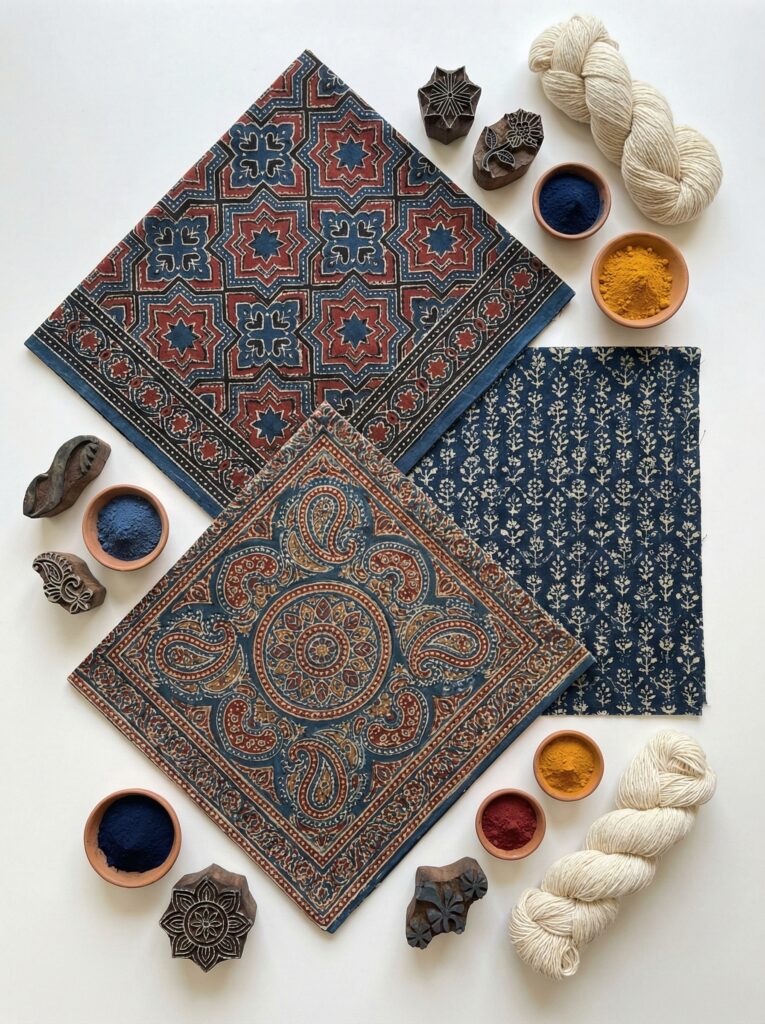
Among traditional textile prints, Ajrakh print stands out as one of the most intricate and culturally significant. Ajrakh is a centuries-old block printing technique practiced primarily in the Kutch region of Gujarat and parts of Rajasthan. It uses natural dyes and a multi-step resist printing process that can take several days to complete.
Key features of Ajrakh print:
- Geometric and symmetrical patterns
- Deep indigo and red colour palettes
- Natural dyes derived from plants and minerals
- Complex resist printing techniques
Creating Ajrakh print textiles involves numerous stages including washing, dyeing, printing, and drying. Artisans repeatedly apply blocks and dyes to achieve layered patterns that appear almost identical on both sides of the fabric. This meticulous process makes Ajrakh fabrics not only beautiful but also culturally significant. Today, Ajrakh continues to inspire contemporary designers while preserving the rich heritage of Indian textile craftsmanship.
Why Textile Knowledge Matters Today
In today’s fast-moving fashion industry, understanding textile techniques encourages more mindful choices. It allows you to:
- Appreciate artisan craftsmanship
- Support traditional textile communities
- Recognize authentic handmade fabrics
- Make more informed fashion decisions
When you know the difference between block printing, resist dyeing, and weaving techniques, clothing becomes more than a purchase — it becomes an experience.
Final Thoughts
Before colour or silhouette, there is always the weave and the print. These two elements define how a fabric feels, moves, and tells its story. From the intricate wax patterns of Batik and the bold motifs of Bagh to the delicate storytelling of Kalamkari and the heritage of Khadi, each textile technique reflects centuries of creativity and culture. Learning to notice these details is the first step towards truly understanding what you wear. And this is just the beginning.