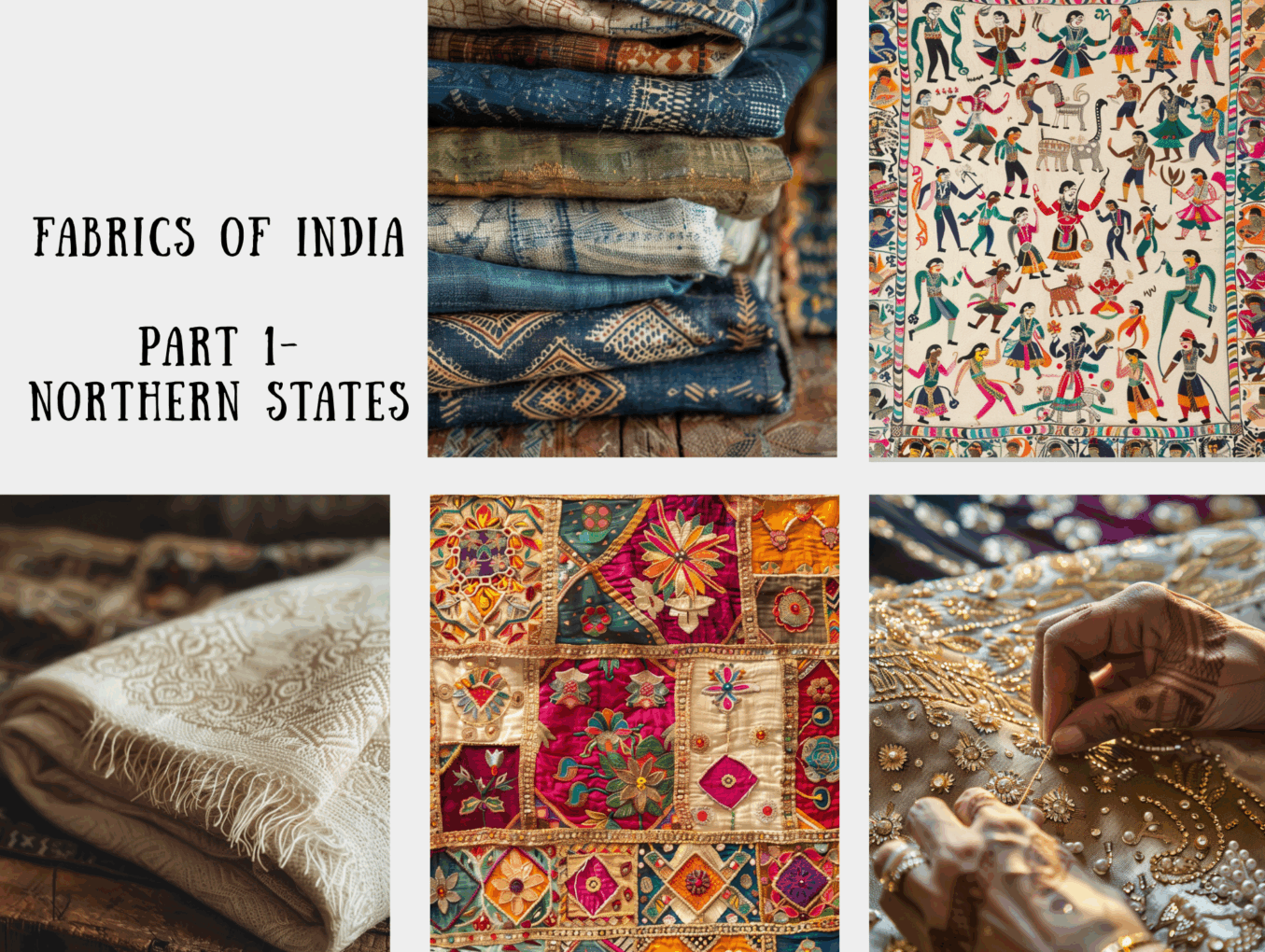
India is a country of multiple cultures, traditions, and arts, with textiles holding a strong place to establish its rich heritage. North India, comprising Kashmir, Uttar Pradesh, Punjab, Bihar, and Himachal Pradesh, has a variety of traditional fabrics and techniques of embroidery that have been handed down through ages. In this blog, we will take you on a journey to discover the distinct textile heritage of these states, showcasing their unique features, history, and cultural importance.
Kashmir: The Land of Luxurious Fabrics
Kashmir, which is also called the “Paradise on Earth,” is famous for its stunning textiles. The extreme winters and beautiful landscapes of the region have motivated artisans to design not just lovely but also utilitarian fabrics.
Pashmina: Pashmina, the world’s finest wool fabric, is obtained from the soft undercoat of the Changthangi goat. With its extraordinary warmth, lightness, and softness, it is a treasured jewel for connoisseurs of textiles. Pashmina shawls and scarves command great demand due to their beauty and comfort.
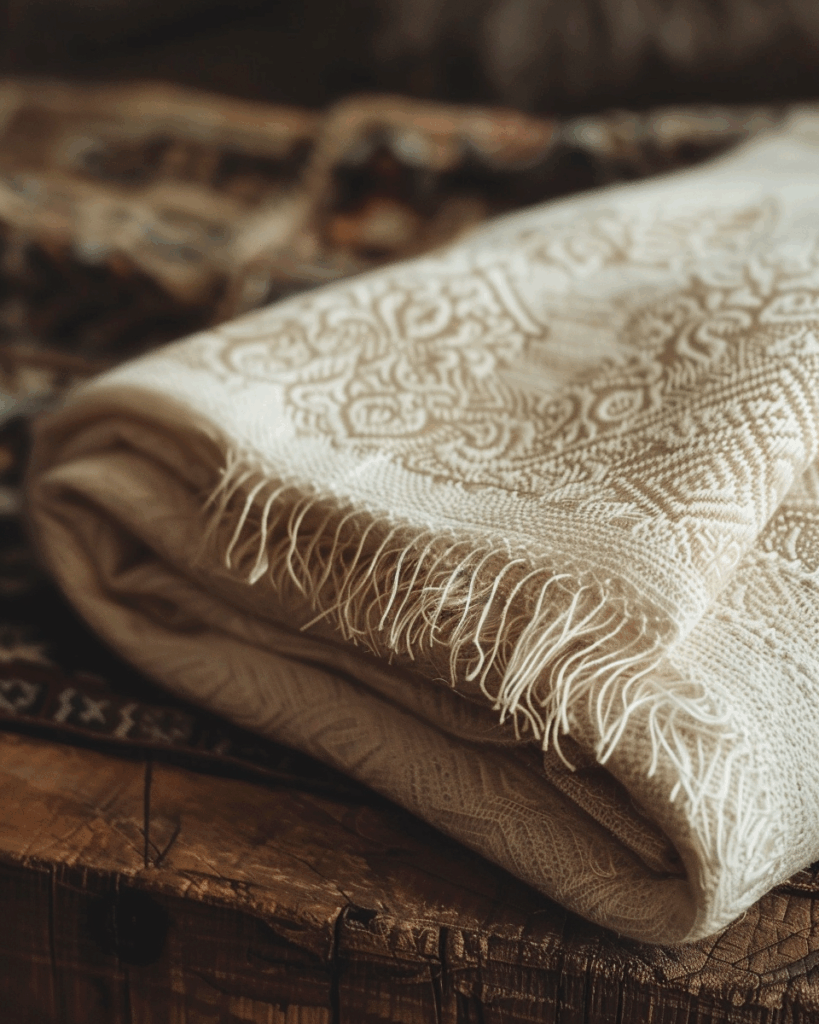
Kani Weaving: Kani weaving is a unique handloom process from the village of Kanihama in Jammu and Kashmir. The traditional craft of weaving complex designs and patterns on shawls, which were much sought after for their beauty and skillfulness, is an ancient one.
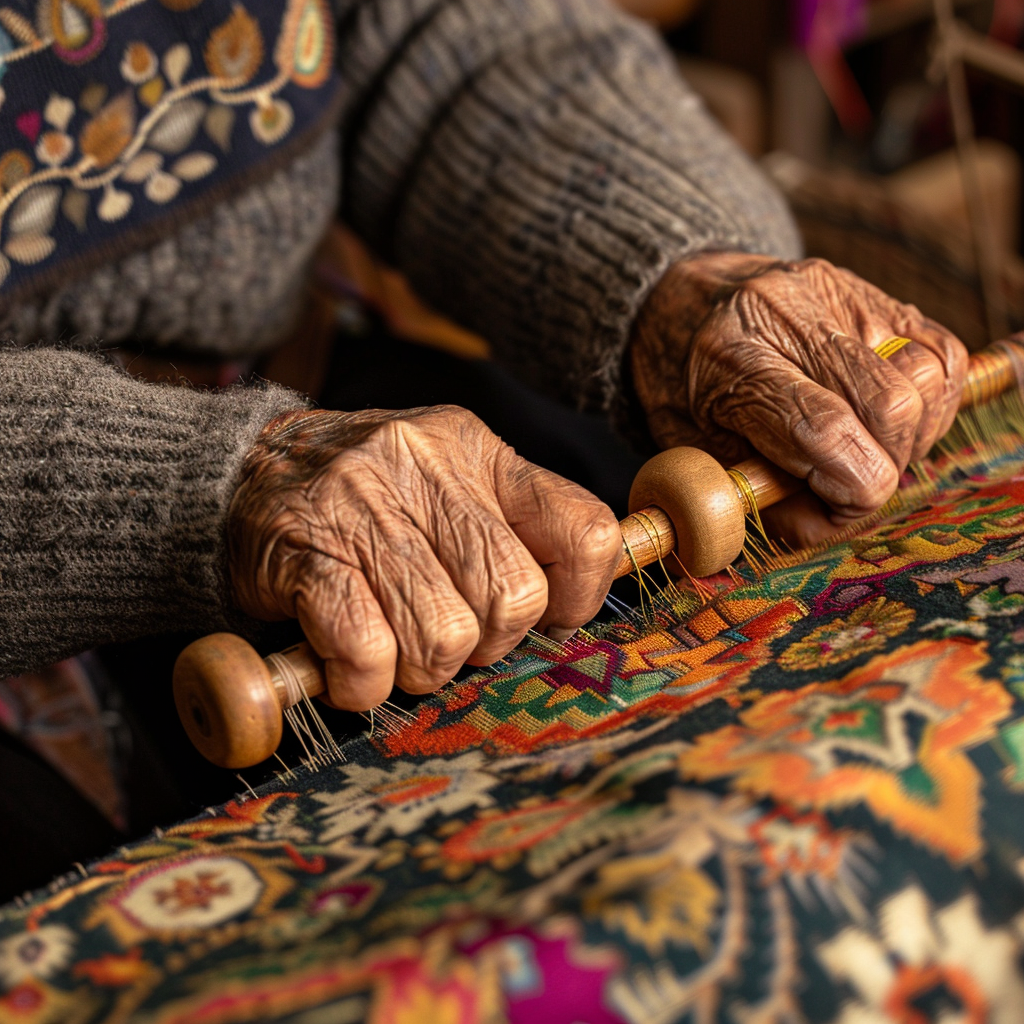
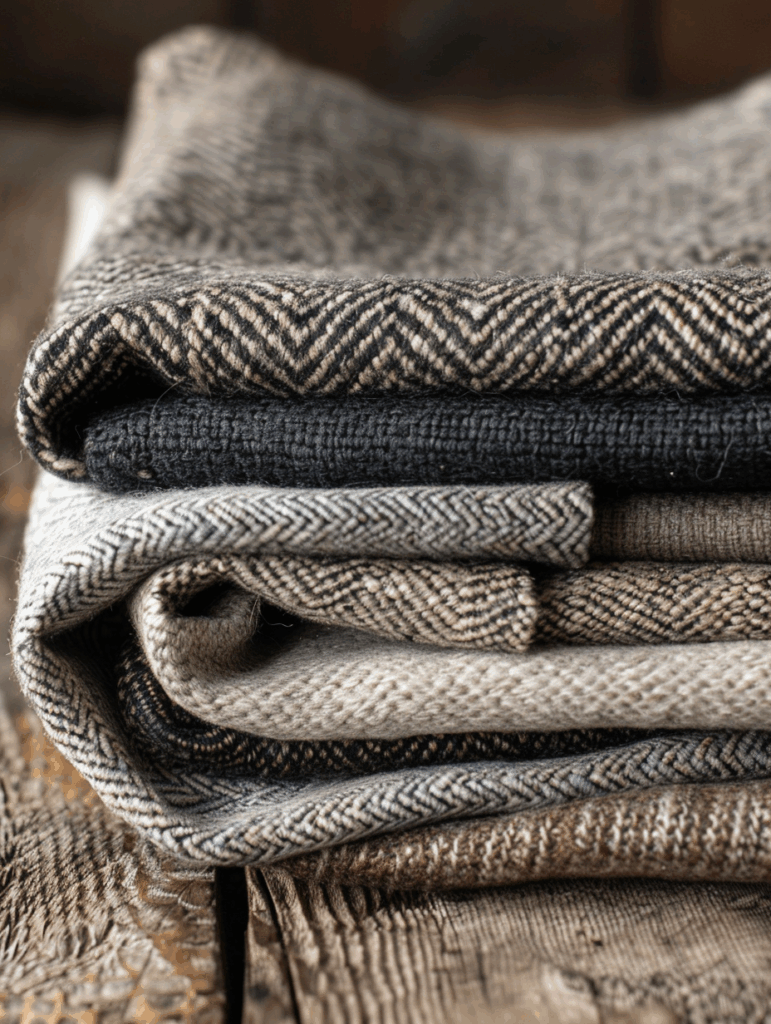
Kashmir Tweed: Kashmir Tweed is a handwoven woolen cloth for which Kashmir is famous for its quality and longevity. It is usually made into outerwear such as jackets, coats, and shawls and is a reflection of Kashmir’s rich textile tradition.
Uttar Pradesh: The Hub of Luxurious Fabrics
Uttar Pradesh possesses some of the finest and most luxurious fabrics in India. The cultural richness and history of the state have shaped the evolution of its textile traditions.
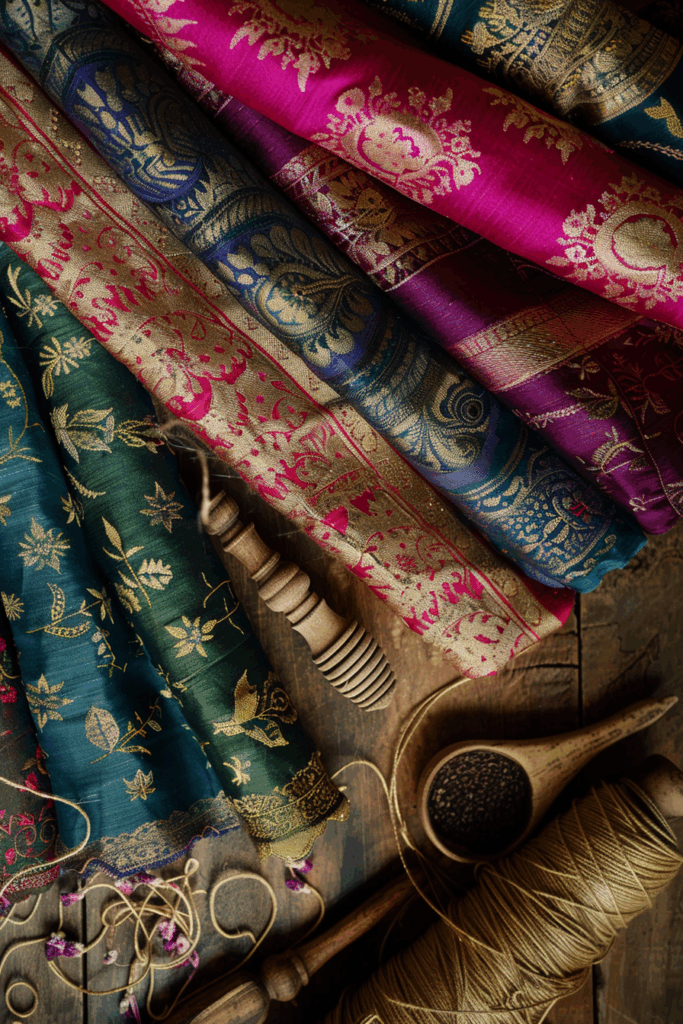
Banarasi Silk/Brocade: Banarasi silk is a rich fabric woven with beautiful patterns, designs, and motifs in gold and silver threads. This rich fabric is a symbol of Indian expertise and is most commonly employed on traditional dresses such as saris and lehengas.
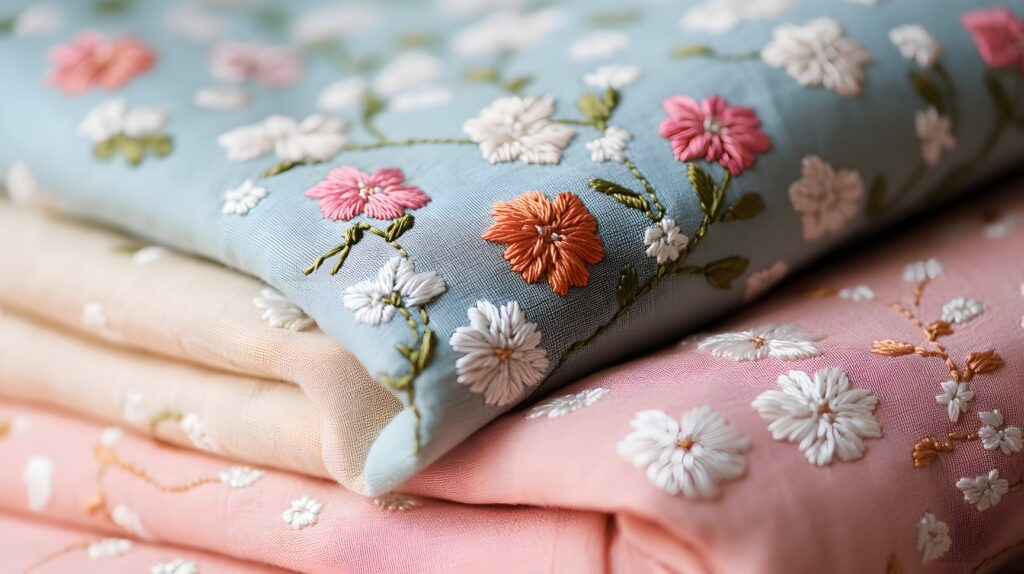
Chikankari: Chikankari is an age-old embroidery work on cotton fabric involving floral motifs and patterns worked using very fine stitches. This craft has been admired for generations and is treasured for its beauty and fineness.
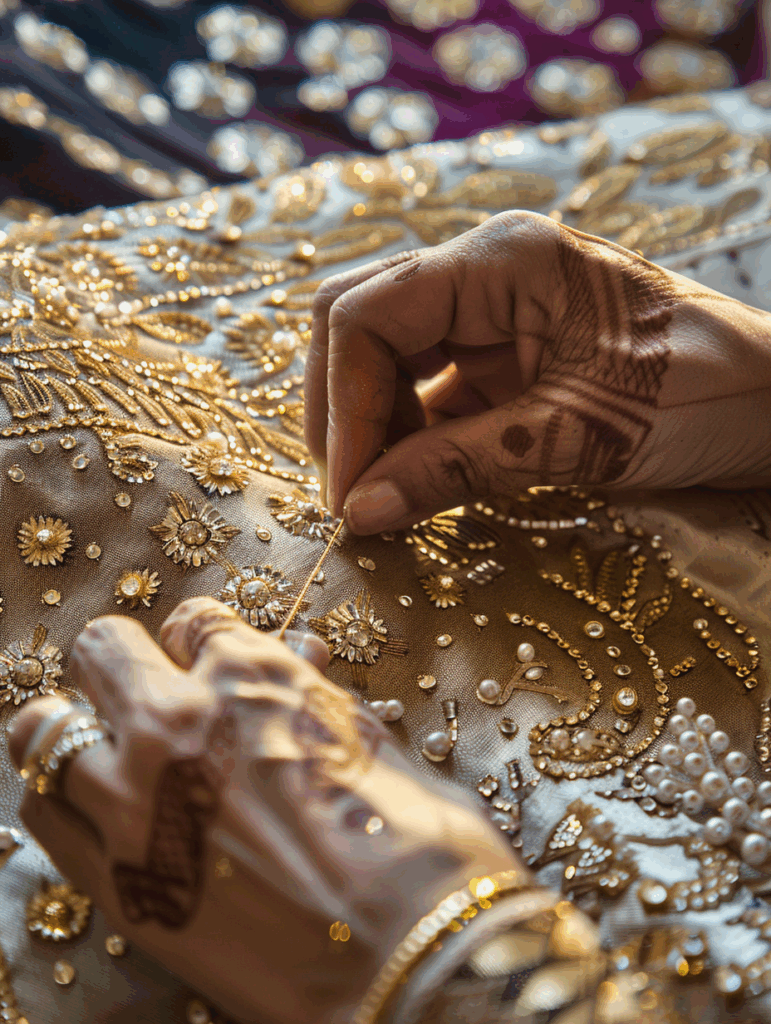
Zardosi: Zardozi embroidery in India is a form of delicate embroidery done with metallic threads, usually gold or silver, to produce elaborate patterns on fabric. The ancient art has been employed to embellish royal clothing and continues to be utilized in traditional Indian dress.
Punjab: The Land of Colorful Textiles
Punjab is famous for its colorful and rich-looking textiles, which demonstrate the state’s strong cultural heritage and festive nature.
Punja Durrie: Punja Durrie is an heirloom handwoven cotton cloth employed in the production of colorful and hard-wearing floor coverings. Famous for its geometric motifs and bold colors, it attests to the region’s heritage of rich textile traditions.
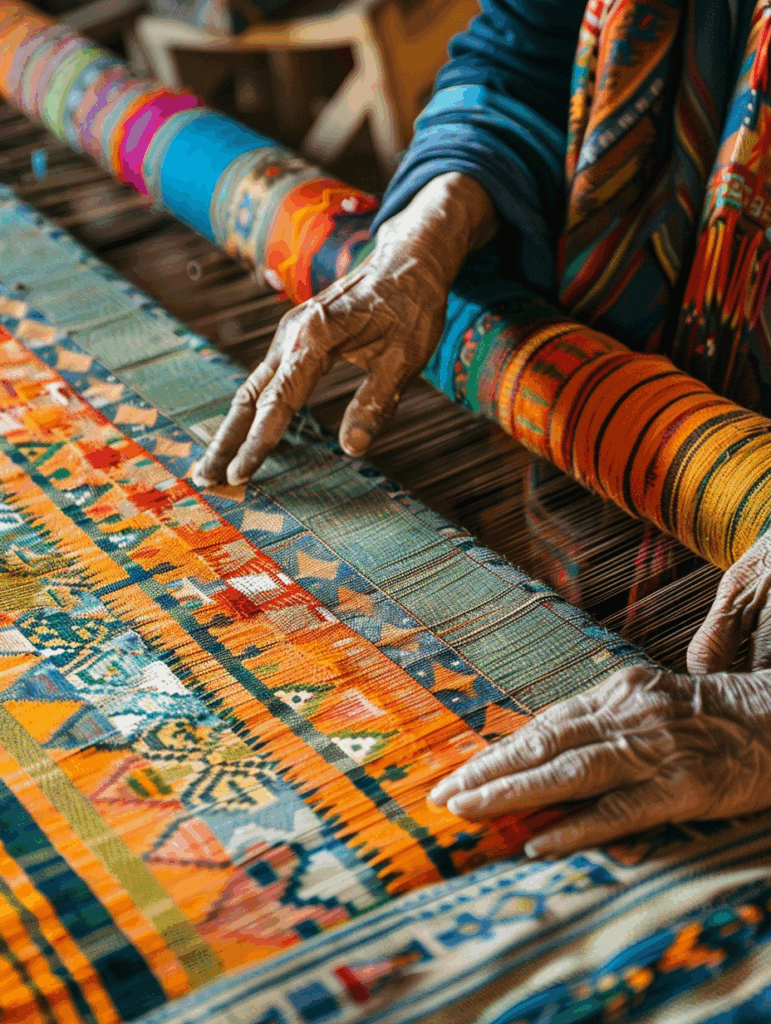
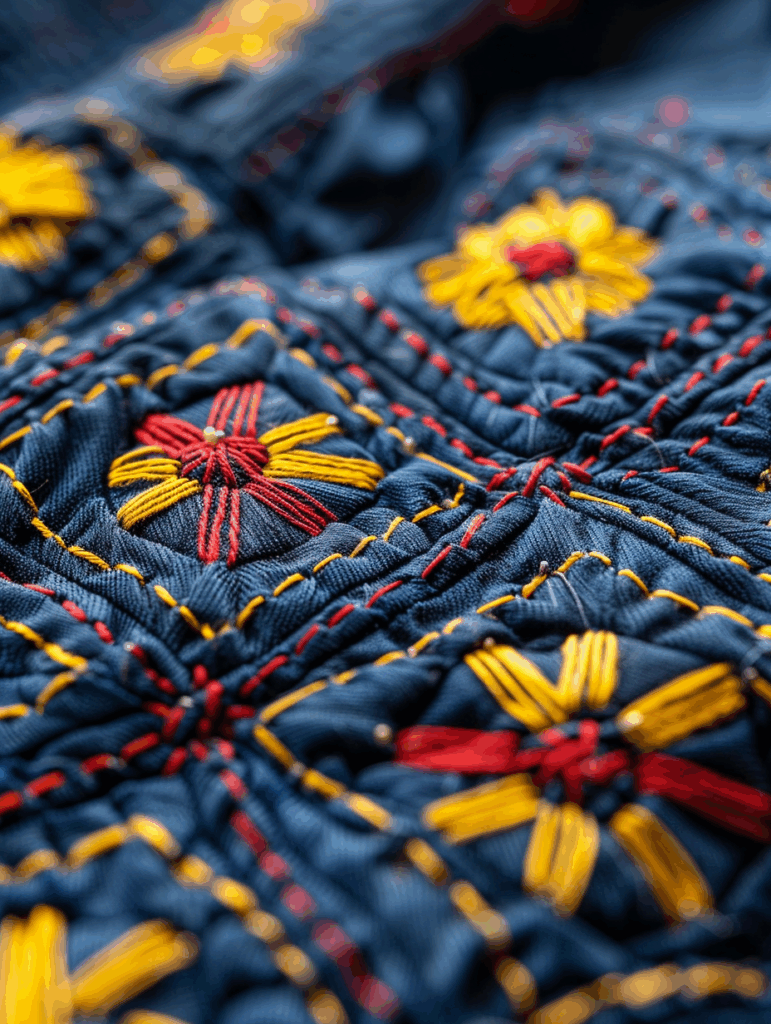
Nilak Phulkari: Nilak Phulkari is a phulkari made on a neela khaddar, or foundation cloth, colored with indigo. Red and yellow embroidery distinguishes it, and it is a lovely specimen of Punjabi workmanship.
Bawan Bagh: Bawan Bagh is a rare and complex embroidery style involving the use of 52 different stitches to produce geometric patterns. Though seldom seen today, it is evidence of the area’s rich textile traditions.
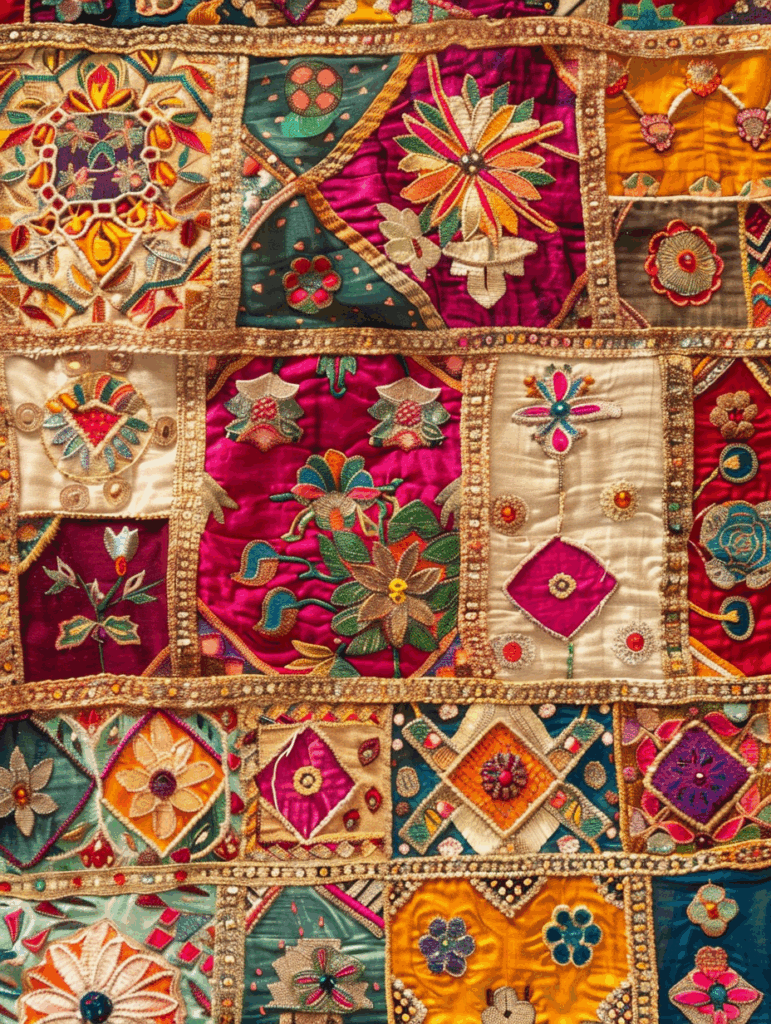
Bihar: It’s not all Luxurious Silks
Bihar is famous for its luxurious silks, which are highly valued for their softness, strength, and elaborate designs.
Bhagalpuri Silk: Bhagalpuri silk is a rich fabric that finds praise for its smoothness, resilience, and fine patterns. Woven predominantly with natural dye, with typical motifs, it is a celebration of the rich textile heritage of the area.
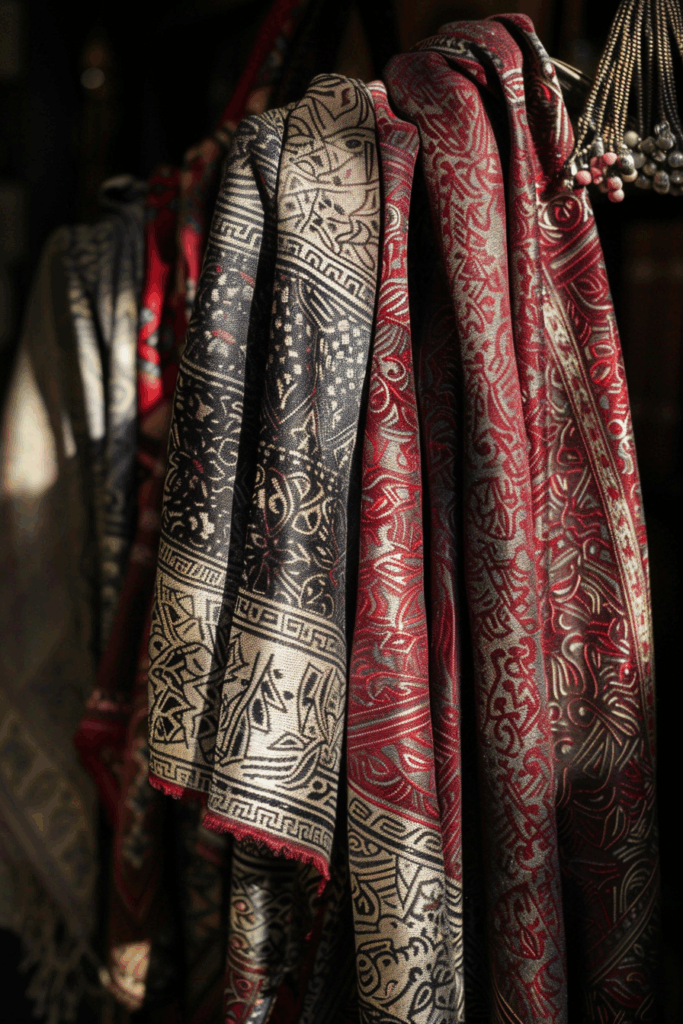
Tassar Silk: Tassar silk has a natural golden color and a coarser texture than mulberry silk. The tussar silkworms are fed leaves from trees such as Arjun, Sal, and Terminalia, which provide the silk with its characteristic color and texture.
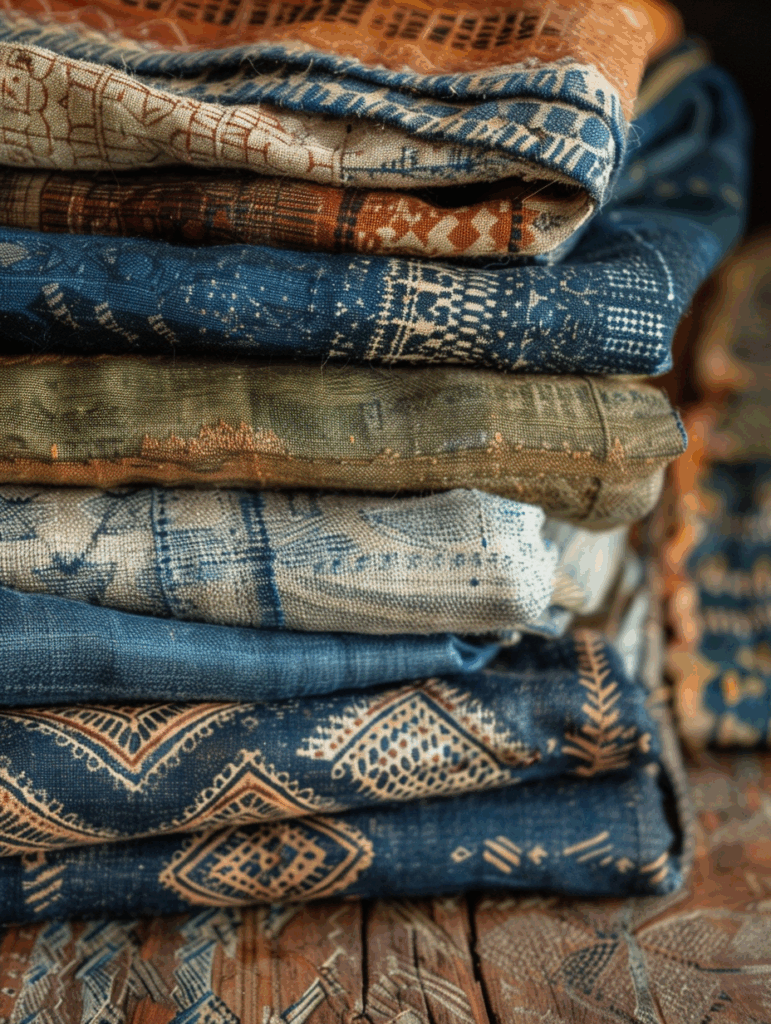
Bhagalpuri Chaddar: This classic sheet has been woven using staple yarn, a cotton-silk blend. Due to its strength and comfort, Bhagalpuri Chaddar is a favorite for daily use.
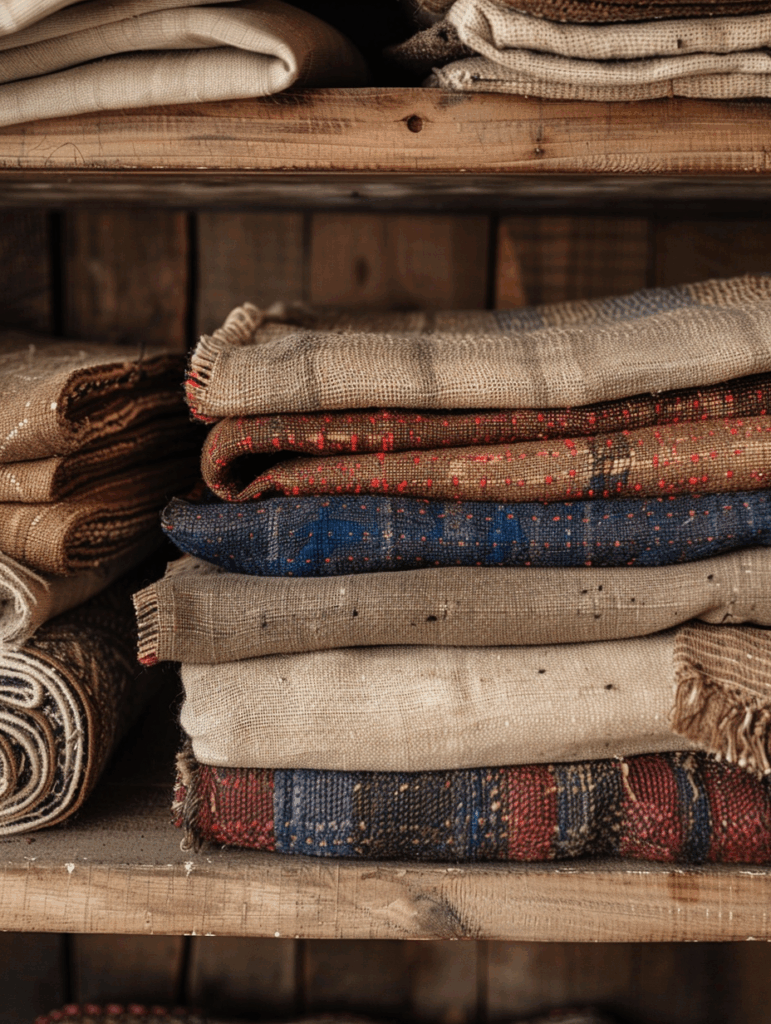
Himachal Pradesh: Weaving Warmth and Tradition
Himachal Pradesh, a mountain state located within the Himalayas, is famous for its picturesque beauty and rich cultural tradition.
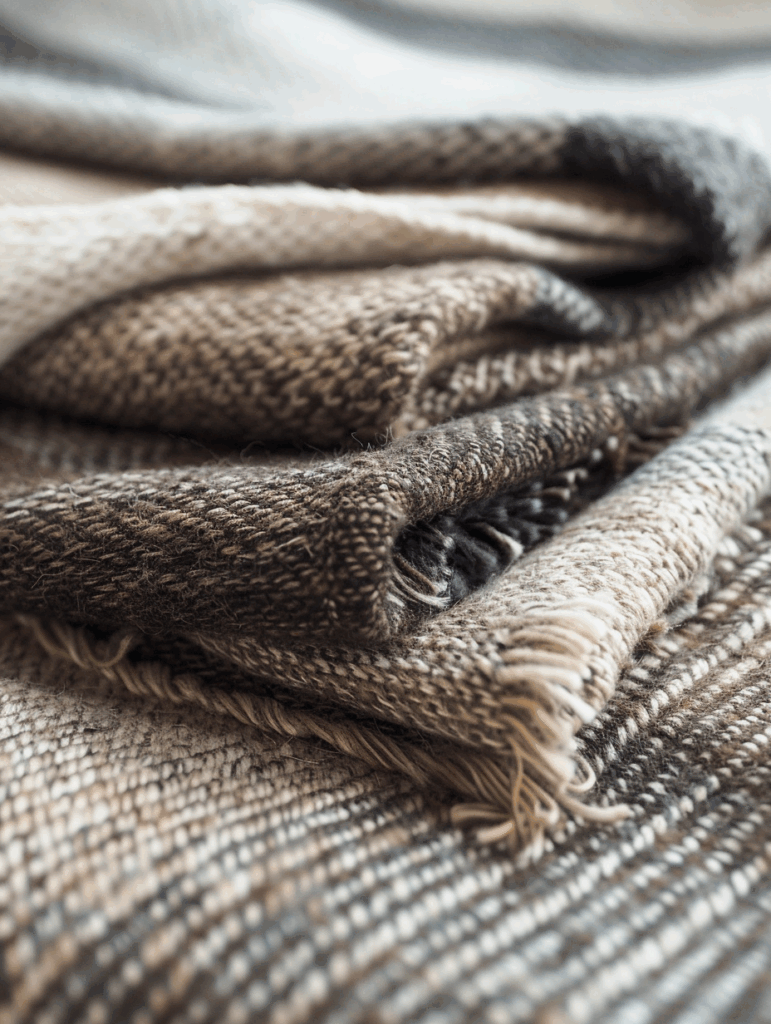
Lingchay: Lingchay is a heritage woolen cloth used for shoulder shawls. Made of sheep and goat wool, it is also famous for being warm, strong, and plain yet beautiful designs.
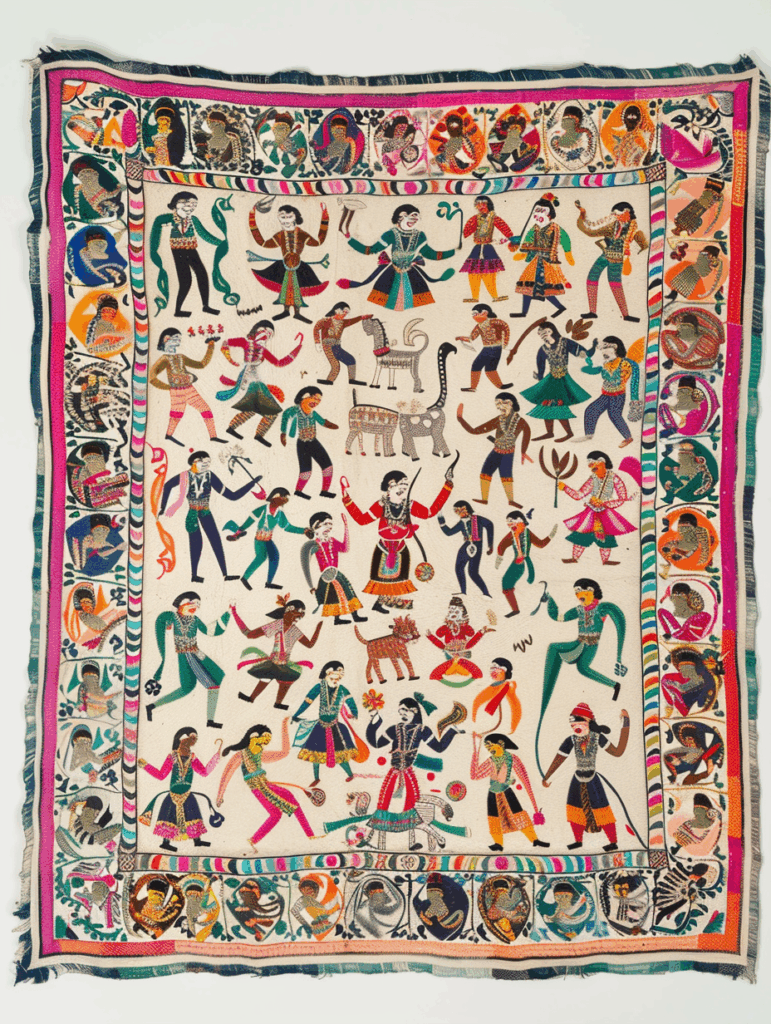
Chamba Rumal: Chamba Rumal is a classic form of embroidery work on silk or cotton cloth with intricate and beautiful patterns. Commonly having mythological and natural scene work, it is a reflection of the regional richness in art.
Kullu Shawls: Kullu shawls are woven by hand, colorful, and traditionally made in the Kullu Valley. Characterized by their intricate geometric designs, they are a logo of cultural identity and pride of Himachal Pradesh people.
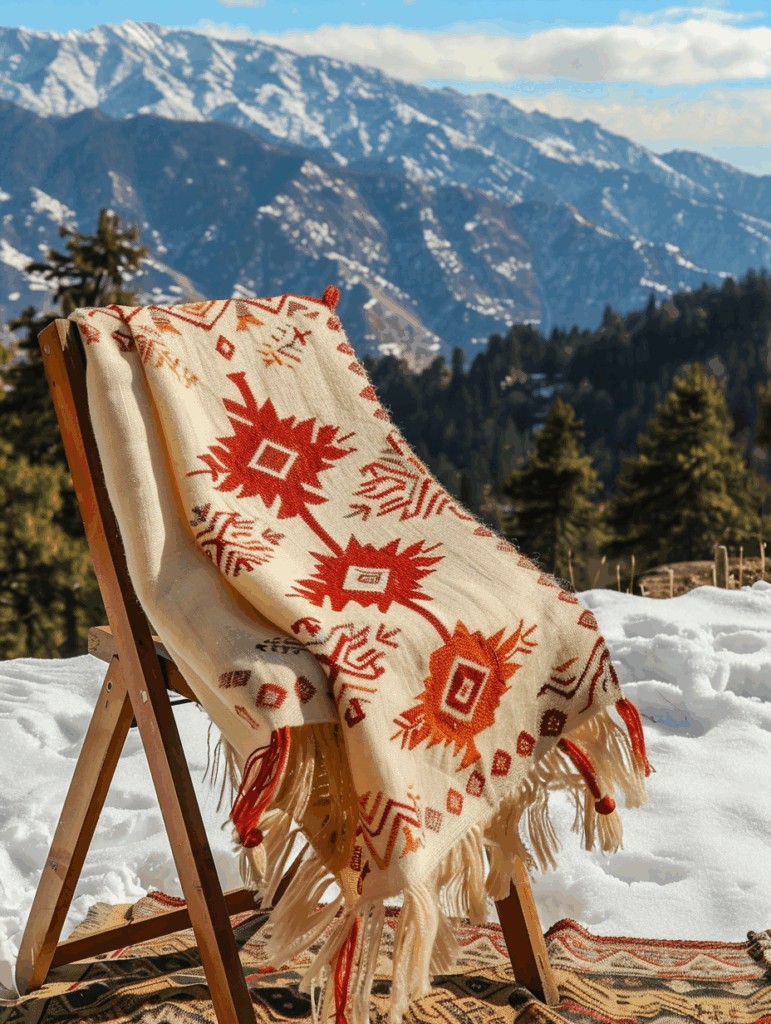
All the states have their own distinctive craftsmanship, bearing the images of their history, culture, and geography. From Kashmir’s pricey Pashmina to Punjab’s colorful Phulkari, and from Banarasi silk of Uttar Pradesh to the cozy and long-lasting fabrics of Himachal Pradesh and Bihar’s classy silks, these fabrics are an embodiment of India’s rich cultural heritage.
Tune in as we discover other Indian states’ textile heritage, revealing the rich stories and artisanship that make each state’s textiles so remarkable.