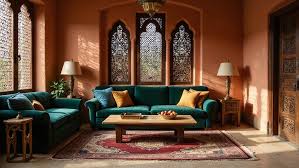
Moroccan interiors are a celebration of culture, tradition, and artistry that transport you to the vibrant streets of Marrakech or the serene landscapes of the Atlas Mountains. These spaces are characterized by a harmonious blend of bold colors, intricate details, and an inviting ambiance. Let’s explore the key elements that make Moroccan interiors uniquely captivating and how you can seamlessly integrate them into Indian homes.
Embracing Bold Colors
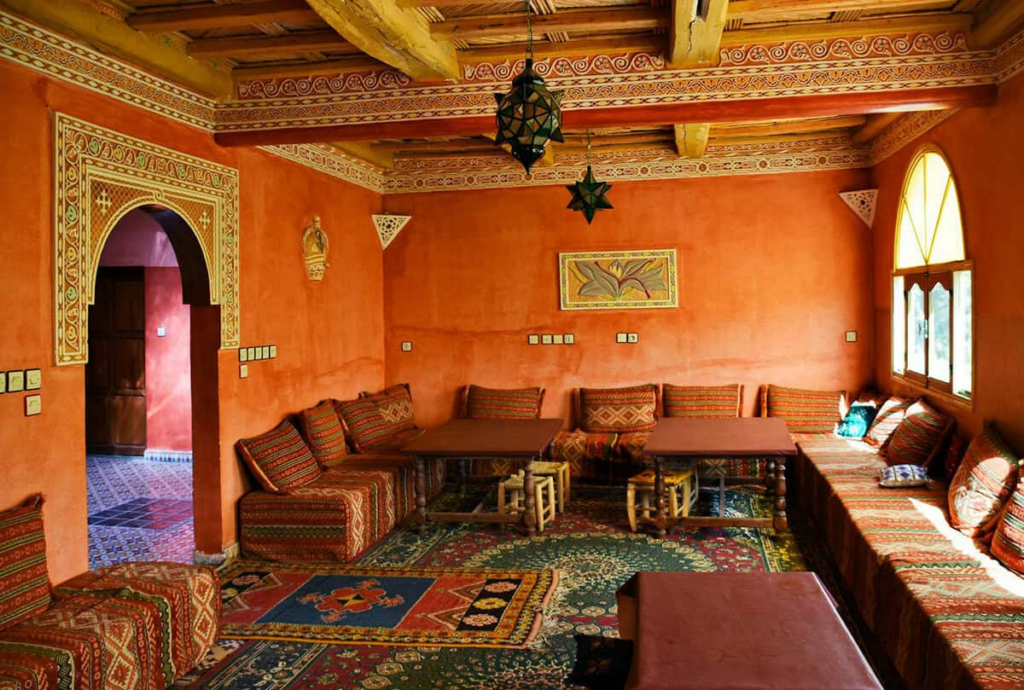
One of the most striking features of Moroccan design is its fearless use of color. Rich jewel tones like deep reds, vibrant oranges, and lush blues dominate the palette, creating an atmosphere that is both invigorating and warm. These bold colors are often complemented by neutral hues, such as soft whites, sandy beiges, and earthy browns, which help balance the intensity and create a welcoming environment.
The Color Palette
When designing a Moroccan-inspired space, consider using these rich colors in various elements. For instance, deep blue tiles can form a stunning backsplash in a kitchen, while a vivid red rug can anchor a living room. Accessories, such as vibrant throw pillows or artwork featuring traditional patterns, can also introduce bursts of color without overwhelming the space.
Intricate Details
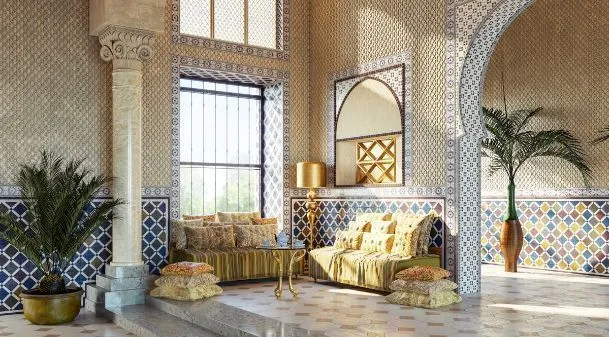
Moroccan interiors are known for their intricate details that tell a story of craftsmanship and tradition. From elaborate tile work to hand-carved wooden screens, these details create visual interest and depth in a room.
Zellige Tiles
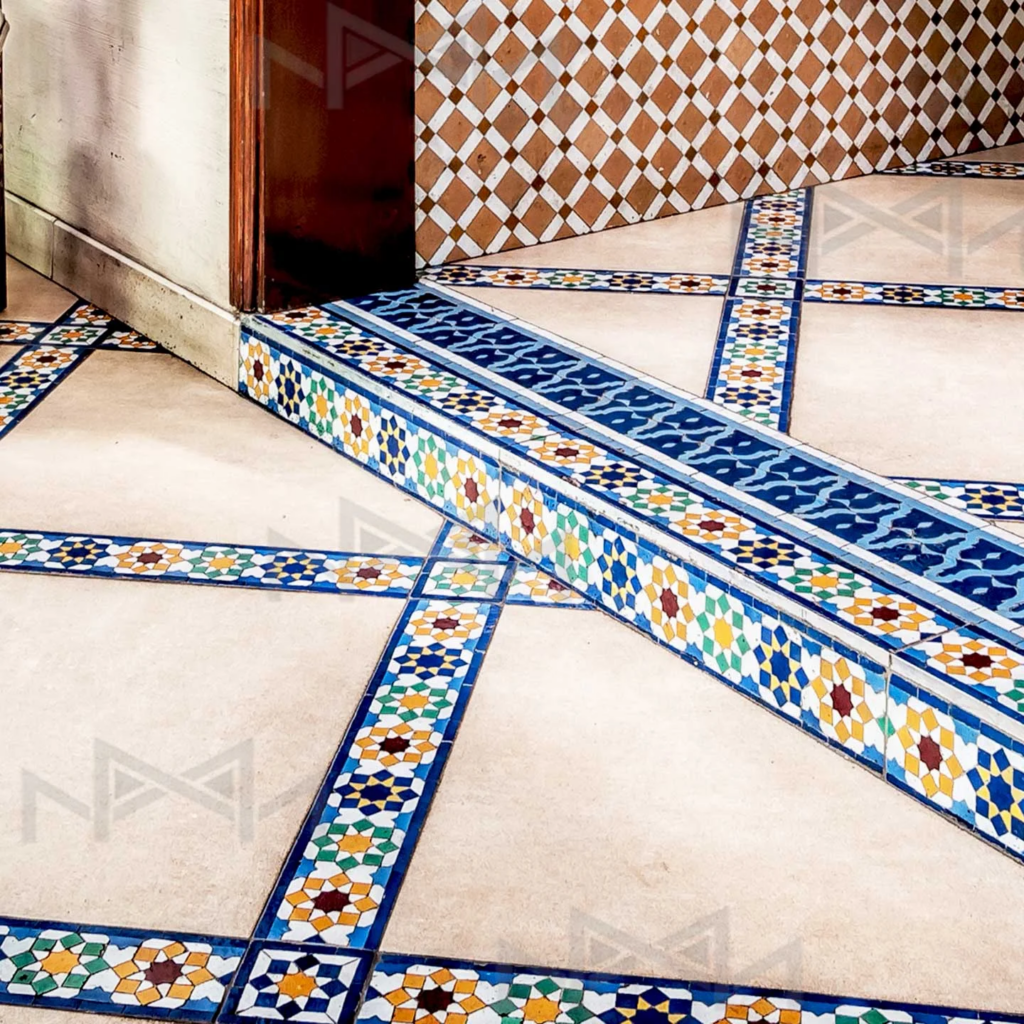
One of the most iconic features of Moroccan design is zellige—handcrafted tiles that come in an array of colors and patterns. These tiles are often used to create stunning mosaics on floors, walls, and fountains, adding a sense of artistry to the space. The patterns often feature geometric shapes, arabesques, and floral motifs, making each installation unique and reflective of the artisan’s skill.
Handcrafted Furniture
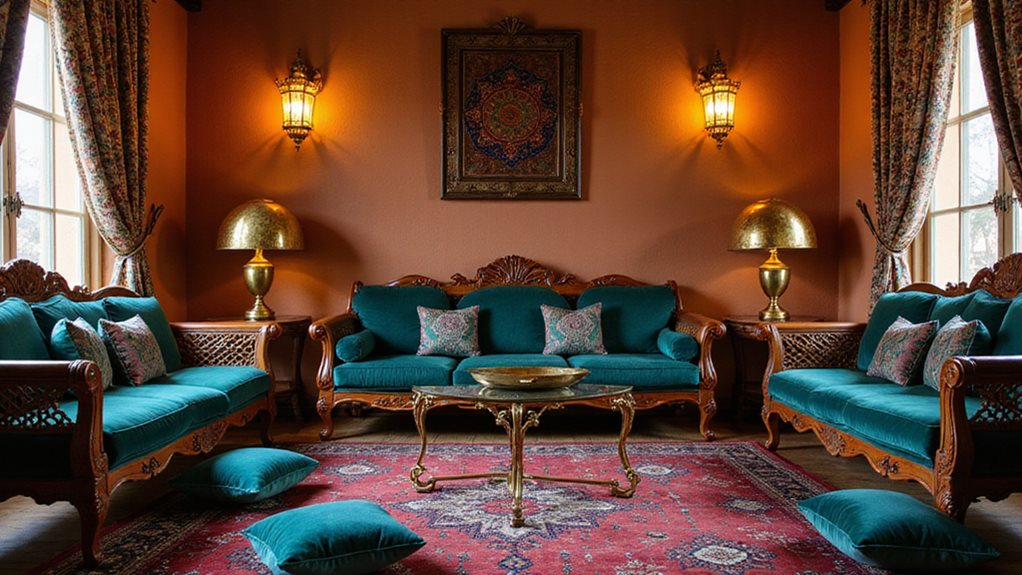
In addition to tile work, handcrafted furniture is a hallmark of Moroccan interiors. Look for pieces that showcase intricate carvings, inlay work, and bold colors. Low wooden tables, often adorned with metal accents, are perfect for creating a casual and inviting atmosphere. Chairs and benches upholstered with rich fabrics add comfort and further enhance the visual appeal.
Ambiance and Low Seating
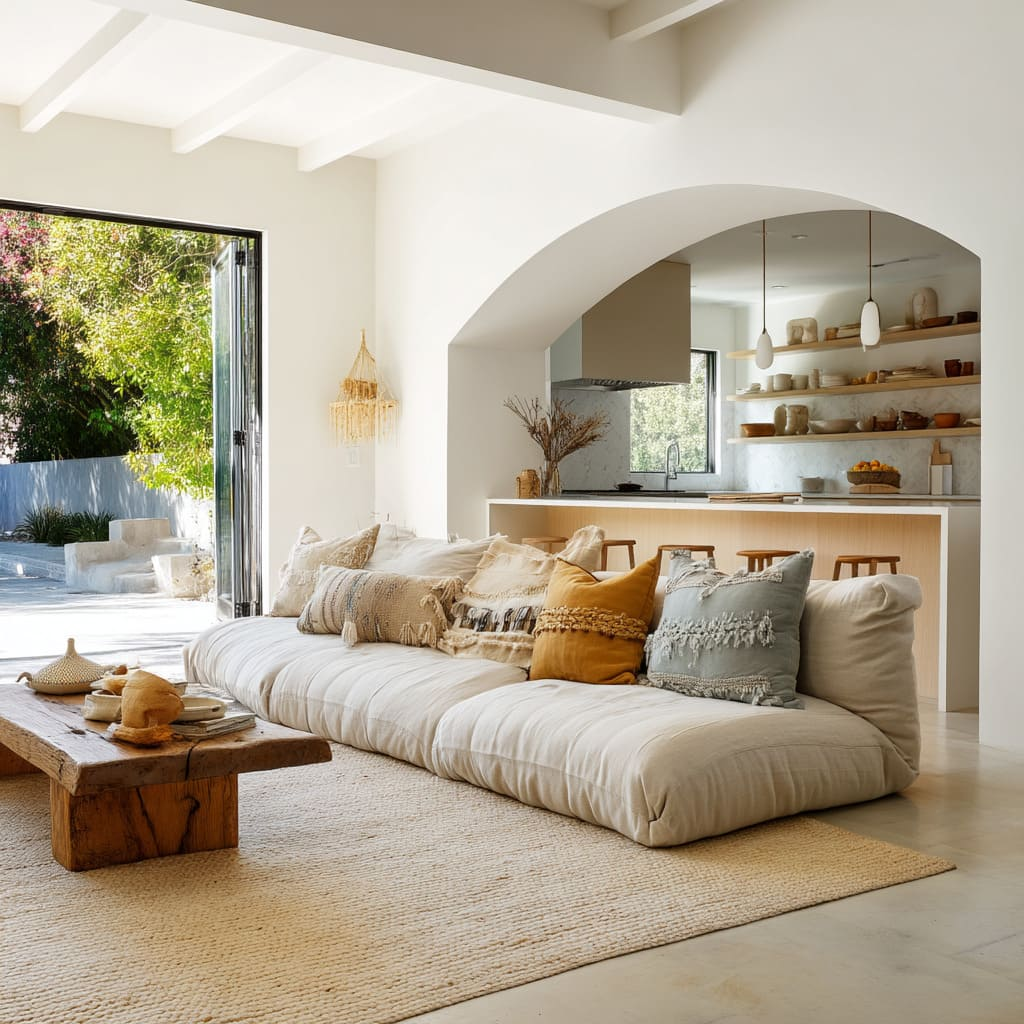
The ambiance of a Moroccan interior is both cozy and inviting, often achieved through the strategic use of lighting and seating arrangements. Low seating is a fundamental aspect of Moroccan design, encouraging relaxation and conversation.
Creating an Inviting Space
To achieve this cozy ambiance, incorporate low tables and cushions throughout your space. Plush, oversized cushions in vibrant fabrics can be scattered across the floor or placed on low sofas, creating a casual lounge area. Add lanterns and candles to provide warm, soft lighting that enhances the overall atmosphere. The interplay of light and shadow, especially when filtered through intricately designed lanterns, creates a magical environment reminiscent of Moroccan souks.
Plush Cushions and Textiles
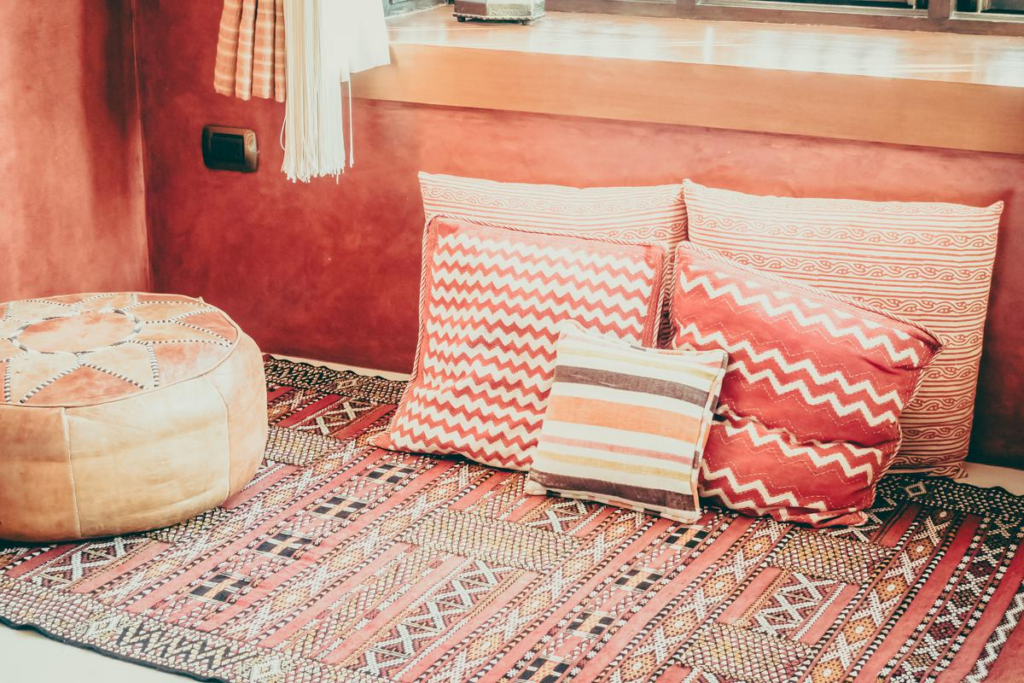
Textiles play a crucial role in Moroccan interiors, adding layers of color and texture. From plush cushions to rich tapestries, the use of textiles invites warmth and comfort into the space.
Layering Textures
When decorating, consider layering various fabrics—such as silk, wool, and cotton—to create depth. Traditional Moroccan textiles often feature bold patterns and bright colors, making them perfect for accenting furniture or creating statement pieces. A large, intricately woven rug can ground the space, while throw blankets and patterned pillows can add a touch of comfort and style.
Traditional Elements
Incorporating traditional elements is essential for achieving an authentic Moroccan aesthetic. These elements often include handcrafted items that showcase the rich cultural heritage of Morocco.
Artisan Decor
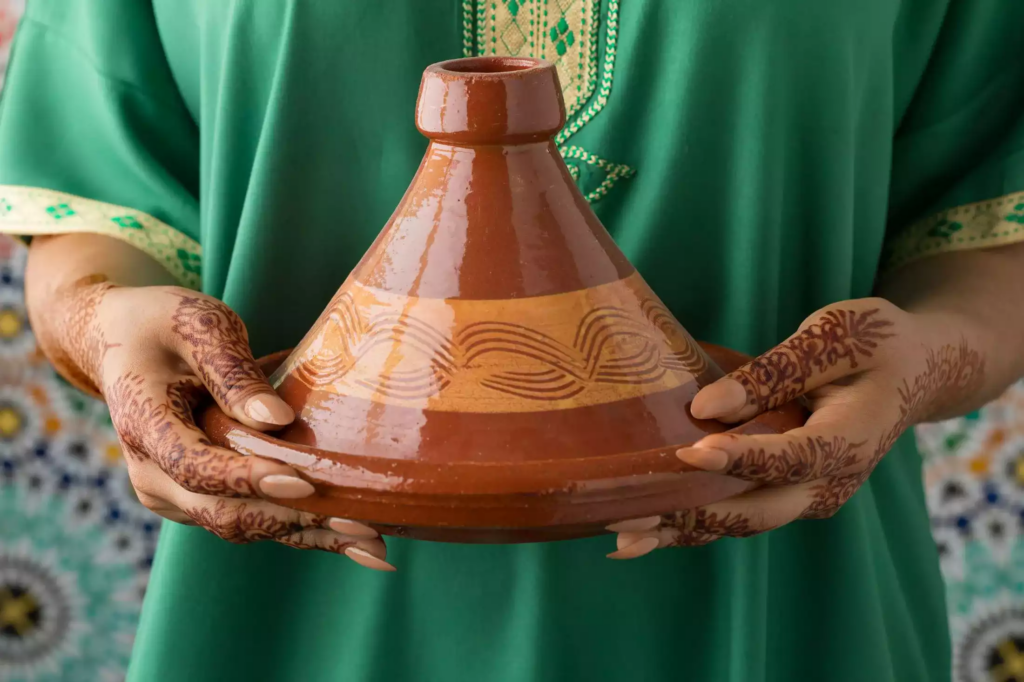
Look for handcrafted items such as ceramic pottery, leather goods, and brass or copper accents. These pieces not only serve as decorative elements but also tell the story of the artisans who created them. A beautifully crafted tagine pot, for example, can serve as both a functional kitchen item and a stunning decorative piece on display.
Traditional Patterns
Moroccan design is heavily influenced by patterns and motifs derived from nature, geometry, and Islamic art. Incorporating these patterns into your décor can enhance the authenticity of your space. Consider using patterned tiles, textiles, or even wallpaper featuring traditional motifs to create visual interest.
Craftsmanship
At the heart of Moroccan interiors lies a commitment to craftsmanship. The attention to detail and the skills of local artisans are what make these spaces truly unique.
Supporting Local Artisans
By choosing handcrafted items for your home, you not only elevate your interior design but also support the artisans who dedicate their lives to preserving these traditional crafts. Seek out local markets or online shops that specialize in Moroccan goods to find authentic pieces that resonate with the aesthetic.
Customization and Personalization
Moreover, many artisans offer custom work, allowing you to create personalized pieces that reflect your individual style. Whether it’s a custom tile mural or a uniquely designed piece of furniture, investing in handcrafted items adds a layer of authenticity and character to your space.
Integrating Moroccan Style into Indian Homes
Bringing Moroccan elements into Indian interiors can create a beautiful fusion of two rich cultures. Here are some practical tips to achieve this blend:
Color Coordination
Start with a color palette that complements both styles. Use bold Moroccan colors alongside traditional Indian hues like saffron, indigo, and emerald. This can be reflected in wall paint, cushions, and artwork.
Furniture Choices
Incorporate low seating options common in both cultures. Use traditional Indian jhoolas or low wooden benches and add Moroccan-style cushions to enhance comfort and style.
Decorative Accents
Mix Moroccan handcrafted decor with Indian artifacts. For example, pair intricate Moroccan lanterns with traditional brass or terracotta items. This combination creates visual interest and celebrates both cultures.
Textiles and Patterns
Layer textiles from both traditions. Use vibrant Rajasthani quilts alongside Moroccan rugs or curtains featuring intricate designs. This fusion will add depth and warmth to your space.
Art and Craft
Display a mix of Moroccan and Indian art. Consider creating a gallery wall that showcases vibrant Moroccan tiles next to Indian block prints or paintings, reflecting the artistic heritage of both regions.
Conclusion
Incorporating Moroccan design elements into your home is an invitation to embrace a lifestyle filled with vibrancy, warmth, and artistry. By focusing on bold colors, intricate details, low seating arrangements, and artisanal craftsmanship, you can create a space that not only looks beautiful but also feels welcoming and rich in culture.
Moroccan interiors invite you to relax, celebrate, and connect, making every moment spent in these spaces truly special. Whether you’re completely transforming your home or simply adding a few Moroccan-inspired touches, the essence of this enchanting style can bring joy and beauty to any environment, especially when thoughtfully integrated into the rich tapestry of Indian design.